FERN PLANTS GALLERY PAGES Fern Culture with British Ferns and their Allies comprising the Ferns, Club-mosses, Pepperworts and Horsetails by Thomas Moore, F.L.S, F.H.S., Etc. London George Routledge and Sons, Broadway, Ludgate Hill. Hardcover published in 1861 provides details on British Ferns |
TYPE OF FERN TO GROW
Where to see UNITED STATES WALES |
USE OF FERN
Where to see AUSTRALIA CANADA ENGLAND FRANCE GERMANY IRELAND NETHERLANDS
|
SPORE COLOUR BED PICTURES Where to see NEW ZEALAND SCOTLAND UNITED STATES |
A Natural History of Britain's Ferns by Christopher N. Page. Published by William Collins Sons & Co. Ltd in 1988. ISBN 0 00 219382 5 (limpback edition) provides details of Coastal, Man-made Landscapes, Woodland, Wetland, Grassland and Rock Outcrops, Heath and Moorland, Lower Mountain Habitats, Upper Mountain Habitats and Atlantic Fringe Ferns. Tree Ferns by Mark F. Large & John E. Braggins. Published by Timber Press in 2004. ISBN 978-1-60469-176-4 is a scientifically accurate book dealing with Tree Fern species cultivated in the United States and the Pacific, but little known and rare tree ferns are also included. The Observer's Book of Ferns, revised by Francis Rose, previous editions compiled by W.J.Stokoe. Published by Frederick Warne & Co. Ltd in 1965 provides a comprehensive guide to 45 British species of Ferns. It provides details of habitat and how to use those ferns. The Plant Lover's Guide to Ferns by Richard Steffen & Sue Olsen. Published in 2015 by Timber Press, Inc. ISBN 978-1-60469- Success with Indoor Ferns, edited by Lesley Young. Reprinted 1998. ISBN 1 85391 554 8. It details the care of indoor ferns with their position, choice and fern care. |
Where to see UNITED STATES |
|
|
|||
|
||||||||||
Fern Species |
Foliage Colour and |
Height x Spread in inches (cms) |
Type of Fern to Grow |
Use of Fern |
Comments |
Frond |
Credit |
Form |
||
Notholaena aschenborniana* |
|
|
|
|
|
|
|
|
||
Notholaena aschenborniana |
|
|
|
|
|
|
|
|
||
Notholaena aschenborniana |
|
|
|
|
|
|
|
|
||
Notholaena aschenborniana |
|
|
|
|
|
|
|
|
||
Notholaena aschenborniana |
|
|
|
|
|
|
|
|
||
Notholaena aschenborniana |
|
|
|
|
|
|
|
|
||
Notholaena aschenborniana |
|
|
|
|
|
|
|
|
||
Notholaena aschenborniana |
|
|
|
|
|
|
|
|
||
Notholaena aschenborniana |
|
|
|
|
|
|
|
|
||
Notholaena aschenborniana |
|
|
|
|
|
|
|
|
||
Notholaena standleyi (Cheilanthes standleyi, Cheilanthes hookeri ; Notholaena candida var. quinque-fidopalmata ; Notholaena hookeri ; Notholaena sulphurea var. quinqu-ifidopalmata ; Chrysochosma hookeri) Native to the southwestern United States and Mexico. The genus name comes from the Greek nothos, false, and chlaena, cloak, referring to the blade margins, which are not reflexed as in the similar genus Cheilanthes. |
It has pentagonal blades densely covered with a whitish powder on the lower surface, and the hardly enrolled indusium is narrow. An attractive fern with broad, dull green fronds with the undersurface covered with yellow or white waxy powder. In dry periods the fronds curl inwards to form a ball. Plants are clumping and look attractive among rocks. They need bright light, well-drained gravelly soils of a neutral to alkaline pH and plenty of air movement. It is locally common in rock cracks and sheltered pockets under boulders in dry exposed sites. |
4-12 x |
Cloak, Lip, Hand Ferns and Their Hardy Relatives (Bommeria, Cheilanthes, Doryopteris, Gymnopteris, Hemionitis, Notholaena, Paraceterach, Pellae, Pleurosorus, Quercifilix)
Propagation: By spores sown on surface of fine sandy peat in pans under bell-glass in temperature 75-85F (24-29C) at any time; division at potting time. It takes 13 days to germinate and sporulates from late spring to fall. The spore is transported by air and water. |
Suitable for Terrarium in Conservatory in temperate regions. |
Herbaceous Stove Fern. A small fern with compact rhizomes and fronds in a cluster. Requires high light in moist-dry, well-drained garden soil preferably mixed with coarse sand or gravel. Notholaena standleyi is a perennial species that typically grows in desert regions at elevations from 300 to 2100 m. It is found on rocky hillsides, usually in the crevices created by limestone and granite boulders that provide the partial shade the plant prefers. During periods of drought, the frond may curl and become brown until water is available, an adaptation to the semi-arid environments it inhabits. At lower elevations, it sometimes grows alongside Notholaena californica. |
Stove and Greenhouse Ferns. Fronds divided, upper surface green, under covered with white powder or scales. Height from 3 to 18 inches (7.5-45cm). First introduced mid-eighteenth century. |
Notholaena standleyi — Standley Cloak Fern. Substrate is highly weathered gneiss; At the Phoenix Mountains Preserve, Maricopa County, Arizona. Notholaena standleyi distribution in US. Date: 10 April 2012. By USDA via Wikimedia Commons. See photos. See Notholaena standleyi in the desert house at the Royal Botanic Gardens Edinburgh See dry foliage balls and green fronds from Eco Landscaping. |
Xerophytes should be planted with their crowns slightly above the soil. If using pots, make sure that the soil level is close to the rim in order to reduce the amount of water that could be caught in the pot during watering. A process known as double potting maintains uniform soil moisture over a longer time. The fern is planted in a porous clay pot, which in turn is planted in a larger clay pot, usually 5-7.5 cms (2-3 inches) wider than the first. The same soil mix is used in both pots. |
||
Odontosoria clavata |
|
|
|
|
|
|
|
|
||
Oleandra undulata |
|
|
|
|
|
|
|
|
||
Ophioglossum englemanii |
|
|
|
|
|
|
|
|
||
Pellaea atropurpurea * (Pellaea atropurpurea var. cristata, This is sufficiently hardy to grow outside in UK in sheltered rockeries if protected with litter or hand-light in winter. North America Zones 4-9 Very Hardy in Zone 4 Brake is an old word for fern, related to the word bracken. |
Rhizome is short-creeping. The pinnate fronds are borne on dark purple-black stipes. "Pellaea comes from the Greek pellos, dusky, an apt description of foliage colour. The 50-70 species are primarily of rocky dryland sites in the Western Hemisphere.The fern's exposure is tempered by the shade of rocks that collect and funnel the minimal dessert moisture to a relatively cool ferny root run. They want bright airy exposures, but not quite full sun, and turn spindly in too much shade. Tuck their long-ranging roots in moist but well-drained crevices in rocky sites and give them a gritty top dressing. They are good candidates for container culture, but where they can be grown in customized soil and moved around when in need of attention." from The Plant Lover's Guide to Ferns by Richie Steffen and Sue Olsen. Published by Timber Press in 2015, Second printing 2017. ISBN 978-1-60469-474-1 |
8-18 x 12-24 The triangular leaves 10-12 inches (25-30 cms) long, are parted many times at the base, and widespread, lanceolate leaflets which turn from green to a bluish-green. This fern produces clumps of widely arching fronds. They produce sori, which lack a true indusium, within the inrolled margins of the pinnae. It grows in the crevices of dry limestone cliffs, rocky slopes, crevices in alvars, and mortared walls. Drought tolerant species that grows in rocky, limestone areas where there is little soil. It is evergreen and grows in an asymmetric clump. It grows in full sun and is native to all but 8 states of the continental United States. |
Cloak, Lip, Hand Ferns and Their Hardy Relatives (Bommeria, Cheilanthes, Doryopteris, Gymnopteris, Hemionitis, Notholaena, Paraceterach, Pellae, Pleurosorus, Quercifilix)
Propagation: By spores sown on surface of sandy peat in shallow pan in temperature 70-80F (21-27C) at any time; division of plants in February or April, "when the plants have rhizomatous roots. Plant in a soil composed of 2 parts peat to 1 each of loam and mortar rubbish. Spores produced June - September. |
Suitable for Cold-Hardy. Greenhouse Evergreen and Deciduous Ferns. First introduced mid-eighteenth century.
This species can tolerate annual winter temperatures of -28 to -35C (-23 to -31F). In the wild this species grows on calcareous rocks such as dolomite and limestone. It resembles Pellaea glabella, with which it often grows, but can easily be distinguished by the hairy stipe and stalked pinnae and pinnules. |
It is at home in limestone cliffs across central and midwestern North America, into Mexico and Central America. Evergreen Grow in a shady, well-drained spot in the UK, in lime-rich soil. It is only evergreen when the winters are mild. Protect against heavy rain. Indoors the fern thrives in broad, shallow dishes or hanging baskets because of its shallow roots, even in fairly dark spots. It requires light, well-drained soil, rich in humus, e.g, equal parts of sand or vermiculite, leaf-mould or peat, and some lime. Keep relatively moist and do not allow the plant to dry out. Do not water the leaves directly - especially in winter - to prevent infections, and spray occasionally. Temperature 14-20C, in winter 12-15C. During the growing season, feed once every 2 or 3 weeks. Propagate by dividing in spring. |
|
Pellaea atropurpurea (purple cliffbrake) foliage. Date: 20 July 2016. This image is Image Number 5550677 at Insect Images, a source for entomological images operated by The Bugwood Network at the University of Georgia and the USDA Forest Service. By Rob Routledge, Sault College, Bugwood.org via Wikimedia Commons. Frond forms of Pellaea atropurpurea. Date: July 2009. By Jaknouse via Wikimedia Commons.
Distribution Map in USA. |
|
||
|
|
|
|
|
|
|
|
|||
Pellaea atropurpurea |
|
|
|
|
|
|
|
|
||
|
|
|
|
|
|
|
|
|||
Pellaea atropurpurea |
|
|
|
|
|
|
|
|
||
Pellaea ovata * United States (Texas), Central and South America, West Indies Semi-hardy, Pellaea are small rock-loving ferns thriving best on limestone rocks. Sori at the ends of free veins forming a mostly continuous marginal band around the segments and covered by the more or less changed margin of the segments. The species are perhaps 40 or more, widely scattered in many countries. Some of them are glasshouse subjects and others are hardy. Latin: ovatus, egg-shaped or ovate, presumably in reference to the shape of the ultimate leaf segments. |
A medium-sized fern with short-creeping rhizomes and lax fronds. Grows well under medium-high light in moist-dry, drained garden soil with coarse sand. Elongate triangular blades to 34 inches (84 cm) long and 12 (30) broad, mostly three-pinnate and gray-green. "Pellaea comes from the Greek pellos, dusky, an apt description of foliage colour. The 50-70 species are primarily of rocky dryland sites in the Western Hemisphere.The fern's exposure is tempered by the shade of rocks that collect and funnel the minimal dessert moisture to a relatively cool ferny root run. They want bright airy exposures, but not quite full sun, and turn spindly in too much shade. Tuck their long-ranging roots in moist but well-drained crevices in rocky sites and give them a gritty top dressing. They are good candidates for container culture, but where they can be grown in customized soil and moved around when in need of attention." from The Plant Lover's Guide to Ferns by Richie Steffen and Sue Olsen. Published by Timber Press in 2015, Second printing 2017. ISBN 978-1-60469-474-1 |
8-48 x The attributes include its drought resistance and its tolerance of both alkaline soils and high temperatures. Cliff brake fern responds well to regular irrigation, but can thrive with neglect and occasional watering. We have observed that with even prolonged wilting, mature fronds of P. ovata revive with watering. Overwatering can kill cliff brake fern, and so it should not be placed with plants that have high water needs. Since the fern is tolerant of both full sun and moderate shade, it can be used throughout the landscape in most light environments, except dense shade. Because it also grows well in rich woodland soils, P. ovata should be adaptable to many landscape schemes. |
Cloak, Lip, Hand Ferns and Their Hardy Relatives (Bommeria, Cheilanthes, Doryopteris, Gymnopteris, Hemionitis, Notholaena, Paraceterach, Pellae, Pleurosorus, Quercifilix)
Propagation: By spores sown on surface of sandy peat in shallow pan in temperature 70-80F (21-27C) at any time; division of plants in February or April, "when the plants have rhizomatous roots. Plant in a soil composed of 2 parts peat to 1 each of loam and mortar rubbish. |
Suitable for Fern found on Limestone or Basic Soil. Greenhouse Evergreen and Deciduous Ferns. First introduced mid-eighteenth century. |
A large-growing species with a creeping, wiry rhizome, strongly zig-zagged fronds and oval to heart-shaped leathery, dark green segments. Best grown in the ground in a partial-sun situation. Needs well-drained to alkaline soil. Occurs on rocky slopes and ledges at altitudes of 300-1700 m. Leaves often supported by surrounding vegetation, on a variety of substrates including granite and limestone. Evergreen and Deer resistant. Found on rocky slopes and ledges in south Texas, Edwards Plateau and Trans-Pecos - See Distribution Map. |
Photographed at the Royal Botanic Gardens Sydney (Australia) in January. This photo is from Gardenology.org and is available under CC-BY-SA 3.0 license, via Wikimedia Commons. The label above may be correct, but where is the Pellaea ovata that looks like this image. |
||||
Pellaea atropurpurea |
|
|
|
|
|
|
|
|
||
Pellaea sagittata * (Allosorus sagittatus, Pellaea sagittata var. sagittata, Platyloma sagittata, Texas, Central and South America Pellaea are small rock-loving ferns thriving best on limestone rocks. Sori at the ends of free veins forming a mostly continuous marginal band around the segments and covered by the more or less changed margin of the segments. The species are perhaps 40 or more, widely scattered in many countries. Some of them are glasshouse subjects and others are hardy. |
Fronds 15-75 cms (6-30 inches) tall, erect, straight or nearly so, stiff. Pellaea comes from the Greek pellos, dusky, an apt description of foliage colour. The 50-70 species are primarily of rocky dryland sites in the Western Hemisphere.The fern's exposure is tempered by the shade of rocks that collect and funnel the minimal dessert moisture to a relatively cool ferny root run. They want bright airy exposures, but not quite full sun, and turn spindly in too much shade. Tuck their long-ranging roots in moist but well-drained crevices in rocky sites and give them a gritty top dressing. They are good candidates for container culture, but where they can be grown in customized soil and moved around when in need of attention. |
8-32 x |
Cloak, Lip, Hand Ferns and Their Hardy Relatives (Bommeria, Cheilanthes, Doryopteris, Gymnopteris, Hemionitis, Notholaena, Paraceterach, Pellae, Pleurosorus, Quercifilix)
Propagation: By spores sown on surface of sandy peat in shallow pan in temperature 70-80F (21-27C) at any time; division of plants in February or April, "when the plants have rhizomatous roots. Plant in a soil composed of 2 parts peat to 1 each of loam and mortar rubbish. |
Suitable for Fern found on Limestone or Basic Soil. Greenhouse Evergreen and Deciduous Ferns. First introduced mid-eighteenth century. |
An interesting fern with light green, leathery fronds which have segments shaped like arrowheads. Plants need neutral to alkaline soils of free drainage and warm, airy conditions. This is an edging plant species. |
Usage on species.wikimedia.org • Pellaea sagittata. Die Farrnkräuter in kolorirten Abbildungen naturgetreu Erläutert und Beschrieben, By Kunze, Gustav, 1793-1851 via Wikimedia Commons. |
||||
Photinopteris speciosa |
|
|
|
|
|
|
|
|
||
Phymatosorus nigrescens |
|
|
|
|
|
|
|
|
||
Phymatosorus nigrescens |
|
|
|
|
|
|
|
|
||
Pityrogramma calomelanos |
|
|
|
|
|
|
|
|
||
Pneumatopteris pennigera (some forms) |
|
|
|
|
|
|
|
|
||
Polypodium australe |
|
|
|
|
|
|
|
|
||
Polypodium australe |
|
|
|
|
|
|
|
|
||
Polypodium australe |
|
|
|
|
|
|
|
|
||
Polypodium australe |
|
|
|
|
|
|
|
|
||
Polypodium australe |
|
|
|
|
|
|
|
|
||
Polypodium australe |
|
|
|
|
|
|
|
|
||
|
|
|
|
|
|
|
|
|
||
|
If you grow and sell ferns in any country, please tell me so that I can put them on this website and inform others where they can be bought online via mail-order. If you would provide photos and fern details to be only used by me on this website, they would be gratefully received, since I could assume that the photo was a valid one in regard to its name of fern in its filename to that fern in the photo. |
Site design and content copyright ©January 2009. DISCLAIMER: Links to external sites are provided as a courtesy to visitors. Ivydene Horticultural Services are not responsible for the content and/or quality of external web sites linked from this site. |
Fern Grower's Manual by Barbara Joe Hoshizaki & Robbin C. Moran. Revised and Expanded Edition. Published in 2001 by Timber Press, Inc. Reprinted 2002, 2006. ISBN-13:978-0-88192-495-4. |
|
|
|||||


USE OF FERN WITH PHOTOS
using information from Fern Grower's Manual by Barbara Joe Hoshizaki & Robbin C. Moran and
The Encyclopaedia of Ferns An Introduction to Ferns, their Structure, Biology, Economic Importance, Cultivation and Propagation by David L. Jones ISBN 0 88192 054 1
Outdoor Use in
Northeastern United States Zones 3-6
Southeastern United States Zones 6-8
Southern Florida and Hawaii Zones 10-11
Central United States Zones 3-6
Northwestern United States Zones 5-8 with some Zone 9
Southwestern United States Zones 6-9
Coastal Central and Southern California Zones 9-10
Accent
Aquatic 1, 2
Basket 1,
Ferns for Hanging Baskets 2, 3, 4, 5, 6
Ferns for Hanging Baskets with Pendulous Fronds or weeping Growth Habit 7, 8
Bog or Wet-Soil 1,
Ferns for Wet Soils 2, 3
Border and Foundation 1, 2
Grow in Coastal Region
Cold-hardy Ferns 1, 2, 3, 4, 5, 6
Colour in Fern Fronds 1, 2, 3, 4
Conservatory (Stove House) or Heated Greenhouse 1, 2, 3, 4, 5
Drier Soil 1, 2, 3, 4
Grows on Rock (epilithic) 1, 2
Borne on Leaf (epiphyllous) 1, 2
Grows on another Plant (epiphyte) 1, 2
Evergreen and Deciduous
Fronds in Floral Decorations
Ferns for Acid Soil 1,
Lime-hating (Calcifluges) 2, 3, 4, 5
Ferns for Basic or Limestone Soil 1,
Ferns Found on Limestone or Basic Soils (Calciphiles) 2, 3, 4, 5, 6, 7, 8, 9, 10
Ferns for Ground Cover 1,
Ground Cover Ferns 2, 3, 4, 5
Ferns of the Atlantic Fringe with associated plants (1 - Atlantic Cliff-top Grassland, Ledges and Rough Slopes; 2 - Clay Coasts and Dunes of South-East Ireland; 3 - Limestones of Western Atlantic Coasts; 4 - Hebridean Machair; 5 - Horsetail Flushes, Ditches and Stream Margins; 6 - Water Margin Osmunda Habitats; 7 - Western, Low-lying, Wet, Acid Woodlands; 8 - Western, Oak and Oak-Birch Woodlands and Ravines, in the UK and Ireland)
Ferns in Coastal District with associated plants (Hard Rock Cliffs, Soft Rock Cliffs, Clay Coasts, or Coastal Sand-Dunes in the UK)
Ferns of Grasslands and Rock Outcrops (Grasslands; Rocks, Quarries and Mines in the UK)
Ferns of Heath and Moorland with associated plants (1 - Bracken Heath; 2 - Ferns of Moist Heathland Slopes and Margins of Rills and Streams; 3 - Heathland Horsetails, 4 - Heathland Clubmosses, in the UK)
Ferns of Lower Mountain Habitats with associated plants (1 - Upland Slopes and Screes; 2 - Base-rich, Upland Springs and Flushes; 3 - Base-rich, Upland, Streamside Sands and Gravels; 4 - Juniper Shrub Woodland, in the UK)
Ferns for Man-Made Landscapes with associated plants (South-western Hedgebanks, Hedgerows and Ditches, Walls and Stonework, Water Mills and Wells, Lime Kilns and abandoned Lime-Workings, Pit heaps and Shale Bings, Canals, Railways and Their Environs in the UK)
Ferns of Upper Mountain Habitats with associated plants (1 - High Mountain, Basic Cliffs and Ledges; 2 - High, Cliff Gullies; 3 - High Mountain Corries, Snow Patches and Fern beds; 4 - Ridges, Plateaux and High Summits, in the UK)
Ferns for Wetlands with associated plants (1- Ponds, Flooded Mineral Workings and Wet Heathland Hollows; 2 - Lakes and Reservoirs; 3 - Fens; 4 - Ferns of the Norfolk Broads' Fens; 5 - Willow Epiphytes in the UK)
Ferns in Woodland with associated plants (1 - Dry, Lowland, Deciduous Woodland; 2 - Inland, Limestone, Valley Woodland; 3 - Base-rich Clay, Valley Woodland; 4 - Basic, Spring-fed Woodland; 5 - Ravine Woodland on Mixed Rock-types; 6 - Native Pine Forest in the UK)
Ferns in Hedges or Hedgebanks
Outdoor Containers 1, 2, 3, 4, 5, 6, 7
Rapidly Growing Fern 1, 2
Resurrection Fern
Rock Garden and Wall Ferns 1, 2, 3, 4, 5
Shade Tolerant 1, 2, 3, 4
Slowly Growing Fern
Sun Tolerant 1, 2, 3, 4
House Fern in Trough Garden 1,
Fern Suitable for
Indoor Decoration 2, 3, 4, 5, 6
House Fern in Terrarium, Wardian Case or
Bottle Garden 1,
Ferns suitable for Terrariums, Wardian Cases 2, 3, 4,
5, 6
Grow in Woodlands 1, 2, 3, 4
TYPE OF FERN TO GROW WITH PHOTOS
using information from
Fern Grower's Manual by Barbara Joe Hoshizaki & Robbin C. Moran and
The Encyclopaedia of Ferns An Introduction to Ferns, their Structure, Biology, Economic Importance, Cultivation and Propagation by David L. Jones ISBN 0 88192 054 1
Aquatic Ferns (Azolla, Ceratopteris, Marsilea, Pilularia, Regnellidium, Salvinia)
Boston ferns (Nephrolepis exaltata), Fishbone ferns (Nephrolepis cordifolia), Lace ferns and Sword ferns
Cloak, Lip, Hand Ferns and their Hardy Relatives (Bommeria, Cheilanthes, Doryopteris, Gymnopteris, Hemionitis, Notholaena, Paraceterach, Pellae, Pleurosorus, Quercifilix) 1,
2, 3
Davallia Ferns (Araiostegia, Davallia, Davallodes, Gymno-grammitis, Humata, Leucostegia, Scyphularia, Trogostolon) 1, 2
Fern Allies (Psilotums or Whisk Ferns, Lycopodiums or Ground Pines, Selaginellas or Spike Mosses, and Equisetums, Horsetails or Scouring Rushes) 1, 2
Filmy and Crepe Ferns (Hymenophyllum, Trichomanes, Leptopteris) 1, 2
Lacy Ground Ferns (Culcita, Dennstaedtia, Histiopteris, Hypolepis, Leptolepia, Microlepia, Paesia, Pteridium) 1, 2
Lady Ferns and Their Allies (Allantodia, Athyrium, Diplazium, Lunathyrium, Pseudo-cystopteris, Callipteris, Cornopteris, Cystopteris) 1, 2
Maidenhair Ferns (Adiantum) 1, 2
Miscellaneous Ferns (Acrostichum, Actiniopteris, Anemia, Anogramma, Anopteris, Blotiella, Bolbitis, Christella, Coniogramma, Cryptogramma, Ctenitis, Cyclosorus, Didymochlaena, Dipteris, Elaphoglossum, Equisetum, Gymnocarpium, Llavea, Lonchitis, Lygodium, Macrothelypteris, Oeontrichia, Oleandra, Onoclea, Onychium, Oreopteris, Parathelypteris, Phegopteris, Photinopteris, Pityrogramma, Pneumatopteris, Psilotum, Stenochlaena, Thelypteris, Vittaria)
1, 2, 3, 4 including Fern Allies of Equisetum and Psilotum or Whisk Ferns
Polypodium Ferns and Relatives (Anarthropteris, Belvisia, Campyloneurum, Colysis, Crypsinus, Dictymia, Gonphlebium, Lecanopteris, Lemmaphyllum, Lexogramme, Microgramma, Microsorum, Niphidium, Phlebodium, Phymatosurus, Pleopeltis, Polypodium, Pyrrosia, Selliguea) 1, 2, 3
Primitive Ferns and Fern Oddities (Angiopteris, Botrychium, Christensenia, Danaea, Helminthostachys, Marattia, Ophioglossum, Osmunda and Todea)
Scrambling, Umbrella, Coral and Pouch Ferns (Dicranopteris, Diploptergium, Gleichenia, Sticherus)
Shield, Buckler, Holly Ferns and their Relatives (Arachniodes, Cyrtomium, Dryopteris, Lastreopsis, Matteuccia, Polystichum, Rumohra, Tectaria and Woodsia) 1, 2, 3, 4
Spleenworts Ferns (Asplenium) 1, 2, 3
Staghorns, Elkhorns and other large epiphytes (Aglaomorpha, Drynaria, Merinthosorus, Platycerium, Pseudodrynaria) 1, 2
Fern Allies - Tassel Ferns and Clubmosses (Lycopodium)
The Brakes (Pteris) 1, 2
Tree Ferns (Cibotium, Cnemidaria, Cyathea, Dicksonia, Nephelea and Trichipteris) 1, 2
Water, Hard, Rasp and Chain Ferns (Blechnum, Doodia, Woodwardia, Sadleria) 1, 2
Xerophytic Ferns (Actinopteris, Astrolepis, Cheilanthes, Doryopteris, Notholaena, Pellaea, Pityrogramma) 1, 2
Topic
|
|
|
|
STAGE 4C CULTIVATION, POSITION, USE GALLERY
Cultivation Requirements of Plant |
|
Outdoor / Garden Cultivation |
|
Indoor / House Cultivation |
|
Cool Greenhouse (and Alpine House) Cultivation with artificial heating in the Winter |
|
Conservatory Cultivation with heating throughout the year |
|
Stovehouse Cultivation with heating throughout the year for Tropical Plants |
|
|
|
Sun Aspect |
|
|
|
Soil Type |
|
|
|
Soil Moisture |
|
|
|
Position for Plant |
|
Ground Cover 0-24 inches (0-60 cms) |
|
Ground Cover 24-72 inches (60-180 cms) |
|
Ground Cover Over 72 inches (180 cms) |
|
1, 2, |
|
|
|
Use of Plant |
|
|
|
STAGE 4D Plant Foliage |
|
|
|
Flower Shape |
|
Number of Flower Petals |
|
|
|
Flower Shape - Simple |
|
|
|
|
|
|
Flower Shape - Elaborated |
|
|
|
Natural Arrangements |
|
|
|
STAGE 4D |
|
|
|
|
|
Form |
|
|
|
|
|
STAGE 1
Fragrant Plants adds the use of another of your 5 senses in your garden:- |
|
|
|
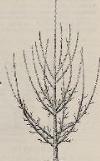
STAGE 2 Fan-trained Shape From Rhododendrons, boxwood, azaleas, clematis, novelties, bay trees, hardy plants, evergreens : novelties bulbs, cannas novelties, palms, araucarias, ferns, vines, orchids, flowering shrubs, ornamental grasses and trees book, via Wikimedia Commons |
|
Ramblers Scramblers & Twiners by Michael Jefferson-Brown (ISBN 0 - 7153 - 0942 - 0) describes how to choose, plant and nurture over 500 high-performance climbing plants and wall shrubs, so that more can be made of your garden if you think not just laterally on the ground but use the vertical support structures including the house as well. The Gardener's Illustrated Encyclopedia of Climbers & Wall Shrubs - A Guide to more than 2000 varieties including Roses, Clematis and Fruit Trees by Brian Davis. (ISBN 0-670-82929-3) provides the lists for 'Choosing the right Shrub or Climber' together with Average Height and Spread after 5 years, 10 years and 20 years. |
|
|
|
STAGE 2
|
|
|
|
STAGE 4D Trees and Shrubs suitable for Clay Soils (neutral to slightly acid) Trees and Shrubs suitable for Dry Acid Soils Trees and Shrubs suitable for Shallow Soil over Chalk Trees and Shrubs tolerant of both extreme Acidity and Alkalinity Trees and Shrubs suitable for Damp Sites Trees and Shrubs suitable for Industrial Areas Trees and Shrubs suitable for Cold Exposed Areas Trees and Shrubs suitable for Seaside Areas Shrubs suitable for Heavy Shade Shrubs and Climbers suitable for NORTH- and EAST-facing Walls Shrubs suitable for Ground Cover Trees and Shrubs of Upright or Fastigiate Habit Trees and Shrubs with Ornamental Bark or Twigs Trees and Shrubs with Bold Foliage Trees and Shrubs for Autumn Colour Trees and Shrubs with Red or Purple Foliage Trees and Shrubs with Golden or Yellow Foliage Trees and Shrubs with Grey or Silver Foliage Trees and Shrubs with Variegated Foliage Trees and Shrubs bearing Ornamental Fruit Trees and Shrubs with Fragrant or Scented Flowers Trees and Shrubs with Aromatic Foliage Flowering Trees and Shrubs for Every Month:- |
|




_(20291301704).jpg)
.jpg?uselang=en-gb)
Use of Fern
|
Use of Fern
See
If you grow and sell ferns, please tell me so that I can put them on this website and inform others where they can be bought online via mail-order. The remarkable sex life of ferns:-
|
||||||||||||||||||||||||||||||||||||||||||||||||||||||||||||||||||||||||||||||||||||||||||||||||||||||||||||||||||||||||||||||||||||||||||||||||||||||||||||||||||||||||||||||||||||||||||||||||||||||||||||||||||||||||||||||||||||||||||||||||||||||||||||||||||||||||||||||||||||||||||||||||||||||||||||||||||||||||||||||||||||||||||||||||||||||||||||||||||||||||||||||||||||||||||||||||||||||||||||||||||||||||||||||||||||||||||||||||||||||||||||||||||||||||||||||||||||||||||||||||||||||||||||||||||||||||||||||||||||||||||||||||||||||||||||||||||||||||||||||||||||||||||||||||||||||||||||||||||||||||||||||||||||||||||||||||||||||||||||||||||||||||||||||||||||||||||||||||||||||||||||||||||||||||||||||||||||||||||||||||||||||||||||||||||||||||||||||||||||||||||||||||||||||||||||||||||||||||||||||||||||||||||||||||||||||||||||||||||||||||||||||||||||||||||||||||||||||||||||||||||||||||||||||||||||||||||||||||||||||||||||||||||||||||||||||||||||||||||||||||||||||||||||||||||||||||||||||||||||||
|
|
||||||||||||||||||||||||||||||||||||||||||||||||||||||||||||||||||||||||||||||||||||||||||||||||||||||||||||||||||||||||||||||||||||||||||||||||||||||||||||||||||||||||||||||||||||||||||||||||||||||||||||||||||||||||||||||||||||||||||||||||||||||||||||||||||||||||||||||||||||||||||||||||||||||||||||||||||||||||||||||||||||||||||||||||||||||||||||||||||||||||||||||||||||||||||||||||||||||||||||||||||||||||||||||||||||||||||||||||||||||||||||||||||||||||||||||||||||||||||||||||||||||||||||||||||||||||||||||||||||||||||||||||||||||||||||||||||||||||||||||||||||||||||||||||||||||||||||||||||||||||||||||||||||||||||||||||||||||||||||||||||||||||||||||||||||||||||||||||||||||||||||||||||||||||||||||||||||||||||||||||||||||||||||||||||||||||||||||||||||||||||||||||||||||||||||||||||||||||||||||||||||||||||||||||||||||||||||||||||||||||||||||||||||||||||||||||||||||||||||||||||||||||||||||||||||||||||||||||||||||||||||||||||||||||||||||||||||||||||||||||||||||||||||||||||||||||||||||||||||||
Companion Plants
A question Shady Plants get asked many times is what flowering plants are suited for growing with ferns. There are a few choice plants, with elegant flowers with subtle shades that compliment ferns and grow well in shade. Here is a collection of plants that, in my opinion, go very well with ferns:-
and
Ferns of the Atlantic Fringe with associated plants (1 - Atlantic Cliff-top Grassland, Ledges and Rough Slopes; 2 - Clay Coasts and Dunes of South-East Ireland; 3 - Limestones of Western Atlantic Coasts; 4 - Hebridean Machair; 5 - Horsetail Flushes, Ditches and Stream Margins; 6 - Water Margin Osmunda Habitats; 7 - Western, Low-lying, Wet, Acid Woodlands; 8 - Western, Oak and Oak-Birch Woodlands and Ravines, in the UK and Ireland)
Ferns in Coastal District with associated plants (Hard Rock Cliffs, Soft Rock Cliffs, Clay Coasts, or Coastal Sand-Dunes in the UK)
Ferns of Grasslands and Rock Outcrops (Grasslands; Rocks, Quarries and Mines in the UK)
Ferns of Heath and Moorland with associated plants (1 - Bracken Heath; 2 - Ferns of Moist Heathland Slopes and Margins of Rills and Streams; 3 - Heathland Horsetails, 4 - Heathland Clubmosses, in the UK)
Ferns of Lower Mountain Habitats with associated plants (1 - Upland Slopes and Screes; 2 - Base-rich, Upland Springs and Flushes; 3 - Base-rich, Upland, Streamside Sands and Gravels; 4 - Juniper Shrub Woodland, in the UK)
Ferns for Man-Made Landscapes with associated plants (South-western Hedgebanks, Hedgerows and Ditches, Walls and Stonework, Water Mills and Wells, Lime Kilns and abandoned Lime-Workings, Pit heaps and Shale Bings, Canals, Railways and Their Environs in the UK)
Ferns of Upper Mountain Habitats with associated plants (1 - High Mountain, Basic Cliffs and Ledges; 2 - High, Cliff Gullies; 3 - High Mountain Corries, Snow Patches and Fern beds; 4 - Ridges, Plateaux and High Summits, in the UK)
Ferns for Wetlands with associated plants (1- Ponds, Flooded Mineral Workings and Wet Heathland Hollows; 2 - Lakes and Reservoirs; 3 - Fens; 4 - Ferns of the Norfolk Broads' Fens; 5 - Willow Epiphytes in the UK)
Ferns in Woodland with associated plants (1 - Dry, Lowland, Deciduous Woodland; 2 - Inland, Limestone, Valley Woodland; 3 - Base-rich Clay, Valley Woodland; 4 - Basic, Spring-fed Woodland; 5 - Ravine Woodland on Mixed Rock-types; 6 - Native Pine Forest in the UK)