FERN PLANTS GALLERY PAGES Fern Culture with British Ferns and their Allies comprising the Ferns, Club-mosses, Pepperworts and Horsetails by Thomas Moore, F.L.S, F.H.S., Etc. London George Routledge and Sons, Broadway, Ludgate Hill. Hardcover published in 1861 provides details on British Ferns |
TYPE OF FERN TO GROW
Where to see UNITED STATES WALES |
USE OF FERN
Where to see AUSTRALIA CANADA ENGLAND FRANCE GERMANY IRELAND NETHERLANDS
|
SPORE COLOUR BED PICTURES Where to see NEW ZEALAND SCOTLAND UNITED STATES |
A Natural History of Britain's Ferns by Christopher N. Page. Published by William Collins Sons & Co. Ltd in 1988. ISBN 0 00 219382 5 (limpback edition) provides details of Coastal, Man-made Landscapes, Woodland, Wetland, Grassland and Rock Outcrops, Heath and Moorland, Lower Mountain Habitats, Upper Mountain Habitats and Atlantic Fringe Ferns. Tree Ferns by Mark F. Large & John E. Braggins. Published by Timber Press in 2004. ISBN 978-1-60469-176-4 is a scientifically accurate book dealing with Tree Fern species cultivated in the United States and the Pacific, but little known and rare tree ferns are also included. The Observer's Book of Ferns, revised by Francis Rose, previous editions compiled by W.J.Stokoe. Published by Frederick Warne & Co. Ltd in 1965 provides a comprehensive guide to 45 British species of Ferns. It provides details of habitat and how to use those ferns. The Plant Lover's Guide to Ferns by Richard Steffen & Sue Olsen. Published in 2015 by Timber Press, Inc. ISBN 978-1-60469- Success with Indoor Ferns, edited by Lesley Young. Reprinted 1998. ISBN 1 85391 554 8. It details the care of indoor ferns with their position, choice and fern care. |
Where to see UNITED STATES |
|
|
|||
Deciduous ferns
Evergreen ferns
" from Chapter 9 of Fern Grower's Manual by Barbara Joe Hoshizaki & Robbin C. Moran. Revised and Expanded Edition. Published in 2001 by Timber Press, Inc. Reprinted 2002, 2006. ISBN-13:978-0-88192-495-4. |
||||||||||
Fern |
Foliage Colour and |
Height x Spread in inches (cms) |
Type of Fern to Grow |
Use of Fern |
Comments |
Frond |
Credit |
Form |
||
Athyrium filix-femina |
|
|
|
|
Deciduous Fern |
|
|
|
||
Athyrium niponicum |
|
|
|
|
Deciduous Fern |
|
|
|
||
Athyrium otophorum |
|
|
|
|
Deciduous Fern |
|
|
|
||
Deparia acrostichoides Silver Glade Fern, Silvery Spleenwort - The name silvery comes from the fact that the indusia on the underside of the leaf have a silver color when the sori are close to ripening. Very Hardy. Grows in North America, North India and China |
Leaves (fronds) are once compound, lance-elliptic in outline, widest near the middle, narrowed at the base with a long taper at the tip end, 18 to 40 inches long, 5 to 10 inches wide, with 20 to 25 pairs of leaflets (pinnae) alternately attached along the stem. Young fronds are yellow-green in color. |
18-40 x 12 |
Lady Ferns and Their Allies |
Suitable for Hardy Fern Type. Culture of Stove and Greenhouse species: Compost, equal parts peat, loam, leaf-mould and sand. Pot Mar. Water freely in summer, moderately in winter. Temperature |
Deciduous Fern. An easy fern to grow which is well suited to temperate regions, but which sheds its fronds with the onset of cold weather in the winter. Plants form a neat tussock and favour organically-rich, loamy soil in a shady situation. New growth in the spring is particularly decorative. Grows well under medium light in moist soil or potting mix. Grow in Part Shade, Full Shade, with moist soil in deciduous forest, wooded bluffs, slopes and ravines |
|
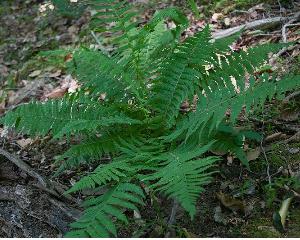
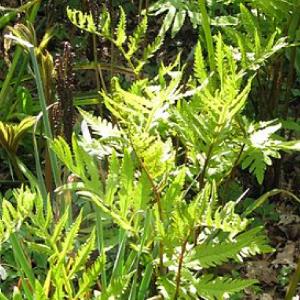
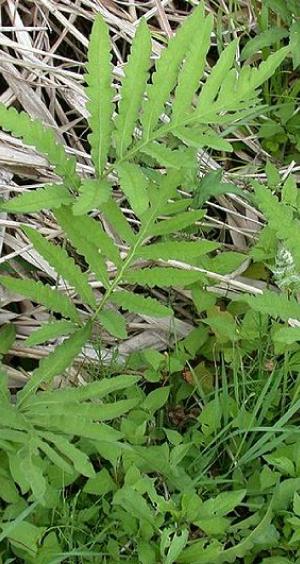
Deparia acrostichoides fronds taken in bucks county Pa.
Deparia acrostichoides form taken in bucks county Pa.
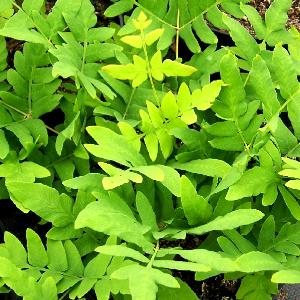
Deparia acrostichoides macro of leaflets.
Deparia acrostichoides sori at Cataloochee, Smokies, North Carolina, 20131014. |
|
||
Diplazium pycnocarpon |
|
|
|
|
Deciduous Fern |
|
|
|
||
Gymnocarpium dryopteris |
|
|
|
|
Deciduous Fern |
|
|
|
||
Matteuccia struthiopteris Ostrich Fern, Shuttlecock Fern Very hardy. |
|
|
|
|
Deciduous Fern |
|
|
|
||
Onoclea Sensitive Fern, Bead Fern, Sympathy Fern Native to North America, Canada and North Asia. Onoclea comes from the Greek onos, vessel, and klein, to close, referring to the pinnules of the fertile leaf, which roll up into bead-like segments to enclose the sori. A member of the Woodsiaceae Cliff Fern Family. Zone 4
Available in USA from ArcheWild Native Nurseries - Quakertown, PA Toadshade Wildflower Farm - Frenchtown, NJ Prairie Nursery - Westfield, WI Yellow Springs Farm Native Plant Nursery - Chester Springs , PA |
Upright, then arching, lance-shaped or triangular, pinnate, pale green sterile fronds. The bead-like appearance of the fertile fronds accounts for this genus's common name of bead fern. Some say that the name sensitive fern originates from the frond's sensitivity to frost (they wither after the first subfreezing temperatures). Winter survival will be enhanced if the dried fronds are left on the plant through the winter. |
36-48 x 36-48 |
Miscellaneous Ferns Hardy deciduous ferns. Fronds, barren ones, broad, once-divided, green; fertile ones, narrow, contracted, once-divided, brown. |
Suitable for Ferns for Acid Soils. Ferns suitable for Outdoor Containers Ferns for Wet Soils Cold-Hardy Ferns Shade-Tolerant Fern The fertile fronds are often used in dried flower arrangements. Best in wet woodland gardens and moist locations alongside streams and ponds. Can grow in very wet soils as long as there is adequate oxygen. It cannot tolerate sour clay or stagnant water. Also, does not tolerate freezing well, turns black even in light frost. Shelters salamanders and frogs |
Open swamps, thickets, marshes, or low woods, in sunny or shaded locations, often forming thick stands from sea level to elevations of 1500 metres. It grows best in a shaded or partially shaded area in a moist soil. The plant can tolerate dryer conditions in shade, and will tolerate wet soils and so occurs in soggy ground or at the very edge of water in shade or sun. Sensitive ferns spread to form colonies and are often the first species to inhabit disturbed areas. They can become weedy if not sited properly. |
|
Rodgersia and Onoclea. 25 April 2014, 16:50. By peganum from Henfield, England via Wikimedia Commons
日本語: Onoclea sensibilis:コウヤワラビ
Juvenile Onoclea sensibilis sterile fronds in pots. By Coblands. |
|
||
Osmunda regalis Royal Fern, Flowering Fern Very hardy, |
A fibrous rootstock bears dense clumps of triangular-ovate-pinnate, bright green sterile fronds. In summer, partially fertile fronds, to 6 feet long, have tassel-like tips, with brown or rust-coloured sporangia covering the much smaller pinnae. In autumn, they turn bronze before dying back. This deciduous fern forms a natural, rounded shape and looks fantastic planted near a pond or stream, where its feathery fronds will be reflected in the water. It likes damp, preferably acid soil, and looks breathtaking with other moisture-loving, large foliage plants such as rodgersia and gunnera. |
72 x 144 |
Primitive Ferns and Fern Oddities Hardy deciduous fern. |
Ferns suitable for Outdoor Containers. Ferns for Wet Soils. Bog or Wet-Soil Fern. Cold-Hardy Ferns. Ferns for Acid Soils. Shade-Tolerant Fern.
Excellent selection for wet areas along ponds, streams, water gardens or in bogs. Also grows well in shaded borders, woodland gardens, wild gardens or native plant gardens. |
Grow in a damp border, or at the margins of a pond or stream. It prefers cool summer climates where it tolerates close to full sun as long as given consistent moisture. Full sun exposure is not recommended for the hot St. Louis summers. |
|
Osmunda regalis Image 1 on left from Denver Botanic Gardens
Osmunda regalis Image 2 from Denver Botanic Gardens
Osmunda regalis on right. By Ghislain118 http://www.fleurs-des-montagnes.net via Wikimedia Commons
Nederlands: Plant - Koningsvaren - Osmunda regalis |
|
||
Phegopteris connectilis |
|
|
|
|
Deciduous Fern |
|
|
|
||
Blechnum penna-marina |
|
|
|
|
Evergreen Fern |
|
|
|
||
Blechnum spicant |
|
|
|
|
Evergreen Fern |
|
|
|
||
Cyrtomium falcatum |
|
|
|
|
Evergreen Fern |
|
|
|
||
|
Autumn Fern, Buckler Fern, Japanese Shield Fern, Copper Shield Fern Hardy, Zone 5(6). It is native to woodland hillsides and mountain slopes in Japan, China and Taiwan. Genus name from Greek dryas meaning oak and pteris meaning fern in reference to the presence of some species of wood ferns in woodland areas populated with oaks. Specific epithet comes from the Greek words erythros meaning red and sora meaning sori in reference to its red sori. |
Copper-red juvenile fronds turning to slightly shiny dark green fronds and ascending to erect or prostrate, branching rhizomes. |
24 x 12 Grows in a vase-shaped clump. |
Shielder Ferns, Buckler Ferns, Holly Ferns and their Relatives Greenhouse Fern Type. |
Border and Foundation Ferns.
Use this clump-forming fern in Moist woodland or shade gardens. May be massed in woodland areas as a ground cover. |
Easy evergreen Fern to grow and it will succeed in situations from deep shade to partial sun together with a range of soils providing the drainage is adequate. It also makes a good pot subject. Easily grown in average, slightly acidic, medium to wet soils. Prefers consistently moist, humusy soils that are rich in organic matter. Soils must not be allowed to dry out. Site in locations sheltered from strong winds to protect the fronds. |
|
Frond from Image 1 from Dryopteris erythrosora of Denver Botanic Gardens.
Form from Image 1 from Dryopteris erythrosora of Denver Botanic Gardens.
Juvenile foliage of Dryopteris erythrosora from Coblands Nursery.
Sori from 日本語: ベニシダ Place:Osaka Prefectural Flower Garden, Osaka, Japan. By I. Kenpei via Wikimedia Commons |
|
||
Dryopteris intermedia |
|
|
|
|
Evergreen Fern |
|
|
|
||
Phyllitis scolopendrium |
|
|
|
|
Evergreen Fern |
|
|
|
||
Polystichum acrostichoides Christmas Fern, Dagger Fern Very Hardy Species in Zone 3
|
Christmas fern grows in a circular form with all the leaves arising from a single point on the ground. It can form colonies but frequently grows singly or in twos or threes. The fronds grow from 30–80 cm long and 5–12 cm broad, divided into 20-35 pairs of leaflets or pinnae. Each pinna is typically 4 cm long and has a finely serrulate or spiny edge and is oblong to falcate in shape. |
12-18 x 12-18 Often used in Christmas floral arrangements because it is still attractive in December. It is a wonderful companion for spring blooming bulbs. Found in acidic to neutral soils on shaded slopes and well drained flats. The plant height varies from 1 to 2 feet (12-24 inches, 30-60 cms), and will gradually colonize an area even in poor soil. Christmas Fern is a top choice for gardens in Zones 3 through 9. |
Shield Ferns, Buckler Ferns, Holly Ferns and their Relatives The shield ferns of the genus Polystichum are small- to medium-sized terrestrial ferns commonly grown in temperate gardens. Many of the species are particularly attractive for their dark green, glossy, evergreen foliage. The plants are used in rock gardens, borders, or pots, and the larger species can be used as foundation plants or for background foliage. They are often slow to grow from spores. |
Ferns suitable for Border and Foundation Ferns Cold-hardy Fern Evergreen and Deciduous Ferns Shade-Tolerant Fern Cut Foliage Drought Tolerant in dry or moist shade Stove greenhouse and hardy ferns. Heights vary from 12-36 inches (30-90cms). |
Evergreen Fern Grow in well-drained soil, in shade it can tolerate dry conditions. Clump-forming. Grow in Part Shade and Full Shade. It is found in moist and shady habitats in woodlands, rocky slopes, and stream banks. The fern can conserve soil and allay erosion of steep slopes. The fronds are semi-erect until the first hard frost, after which they recline to be prostrate and effectively hold in place abscised foliage of the duff layer of the sylvan floor, which enables the gradual decomposition of the abscised foliage into humus, which in turn further conserves soil. |
|
Frond of Photograph of the Christmas Fern (Polystichum acrostichoides). Photo taken at the Tyler Arboretum where it was identified.
Form of Photograph of the Christmas Fern (Polystichum acrostichoides). Photo taken at the Tyler Arboretum where it was identified. By Photo (c)2006 Derek Ramsey (Ram-Man) via Wikimedia Commons. |
|
||
Polystichum setiferum* (Polystichum angulare, Polypodium angulare, Aspidium angulare) Hardy in Zone 6 This is one of the most graceful of all British native species. |
Erect rhizomes and fronds that are evergreen in warmer climates. Many variants of this species from buds along the rachis - see Section 9 - Propagation . The plants do not like very high humidity. This species is native to Europe. This forms a medium-sized clump of very soft-textured fronds, dark green in colour with a glossy finish. Plants perform best in soils that remain evenly moist, and slightly on the acidic side. |
Height and Spread of |
Shield Ferns, Buckler Ferns, Holly Ferns and their Relatives Propagation: Hardy species by division of crowns in April, also by spores sown on sterilised loam and kept close under glass cover. |
Ferns suitable for Hedge. Hardy Polystichum fern. Heights vary from 12-36 inches (30-90cms). |
It grows in hedge-banks and in lowland woods, preferring, like most of the larger Ferns, the presence of plenty of free (not stagnant) water. Remains evergreen in mild winter regions. Attractive as a specimen, massed, or in containers. |
|
Buds along the rachis of American Plant Food Company, 7405 River Road, Bethesda MD. Polystichum setiferum . Polystichum setiferum in botanical garden in Batumi |
|
||
Polystichum tsus-simense Hardy in |
A neat fern valued for its compact, spreading rosette. The fronds are fairly stiff and leathery and an interesting dark, purplish colour when young. Native to China, Japan and Korea. It forms a low mound of dark green fronds with black stems and delicate dark veining through the leaflets. New leaves have a purplish cast. Clumps may be divided after 4 to 5 years, in early spring. Trim off any tired looking fronds in spring, and they will soon be replaced by new ones. Tolerates summer heat and humidity. |
6-12 x 12-16 |
Shield Ferns, Buckler Ferns, Holly Ferns and their Relatives Propagation: Hardy species by division of crowns in April, also by spores sown on sterilised loam and kept close under glass cover. |
Ferns suitable for Cold-Hardy. Hardy Polystichum fern. Heights vary from 12-36 inches (30-90cms). |
Makes an excellent pot plant and can also be grown in a shady position among rocks. In cold regions this may be grown in a container and wintered indoors. Excellent for edging in the woodland, or in the shady rock garden. Polystichum tsus-simense of eastern Asia, is commonly offered as a houseplant. |
|
Frond of Polystichum tsus-simense in Wellington Botanical Garden. By Krzysztof Ziarnek, Kenraiz via Wikimedia Commons Form of Polystichum tsus-simense. Specimen in the Atlanta Botanical Garden, Atlanta, Georgia, USA. By Daderot via Wikimedia Commons with Multi-license GFDL, all CC-BY-SA permission. |
|
||
Osmunda claytoniana Interrupted Fern, Flowering Fern Very hardy, Native to northeastern North America, India and Asia. The unusual common name for this fern arises because on the fertile fronds the fertile segments are carried in between sets of normal barren segments, giving the appearance of a gap in the frond. Young fronds are covered with wooly, pinkish hairs. |
The leaves grow from a rhizome growing at or below the ground. Forming a lovely spreading vase habit, this low-maintenance native fern makes a distinctive addition to the shade border or woodland garden. |
24-36 x 24-36 |
Primitive Ferns and Fern Oddities Hardy deciduous fern. |
Suitable for Accent Fern. Ferns for Acid Soils. Evergreen and Deciduous Ferns. Ferns for Wet Soils. Cold-hardy Ferns. Rock Garden and Wall Ferns. Shade-Tolerant Fern.
Grows well with hostas in shaded woodland or wild gardens. Also effective along ponds or streams. Interesting accent for the shaded border. |
This clump-forming fern has erect rhizomes that form occasional offshoots and grows in moist-wet to wet, acidic garden soil. The plants have deciduous fronds and do poorly in the Gulf States and subtropical climates. Habitat in forests, shores of rivers or lakes, swamps, wetland margins (edges of wetlands). Easily grown in medium to wet soils in part shade to full shade. Prefers moist, rich, humusy, acidic soils, but adapts to lesser conditions. Deer resistant. |
|
Osmunda claytoniana.
Interrupted fern, Osmunda claytoniana, in Lac-Mégantic, Quebec. |
|
||
Polystichum cystostegia (Polystichum cystostegium, Aspidium cystostegia, Dryopteris cystostegia) A very hardy little fern from alpine regions. Native to New Zealand |
The stipes and rachises are covered with conspicuous, brown scales. New Zealand Plant Conservation Network has publications - Our unique strength is in linking people interested in plant conservation with comprehensive, accessible and accurate information to support their efforts in promoting and conserving native plants. There is a library of books made by Network members using the website book-making facility. |
12 x 20 This tough little fern is generally found growing in sheltered crevices amongst rocks where it spreads by a branching underground stem in some of the higher altitude rocky and stony places (boulderfields) of Mt Taranaki in North Island of New Zealand. |
Shield Ferns, Buckler Ferns, Holly Ferns and their Relatives Propagation: Hardy species by division of crowns in April, also by spores sown on sterilised loam and kept close under glass cover. |
Ferns suitable for Cold-Hardy. Hardy Polystichum fern. Heights vary from 12-36 inches (30-90cms). |
Plants are very cold tolerant and are ideal for a rock garden. Plant Citation from Plant Information Online of University of Minnesota - Alpine Gardener, The. vol 78, no. 1. (2010) p 56 Parts Shown: Leaf Photo |
|
Polystichum cystostegia (Hook.) J.B.Armstr. English: Polystichum cystostegium by Peter de Lange via Wikimedia Commons |
|
||
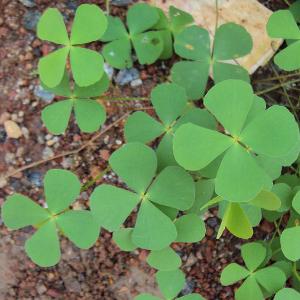
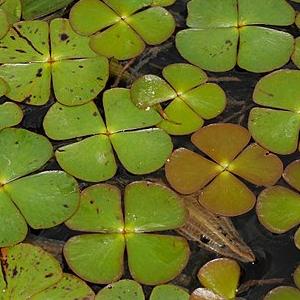
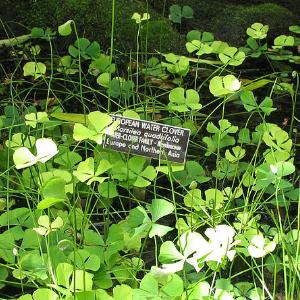
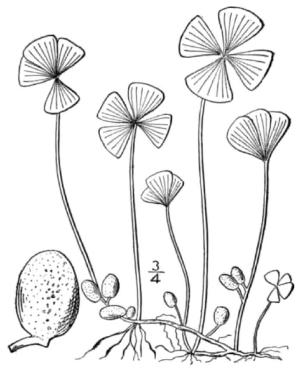
Marsilea quadrifolia Hardy in Zone 5 Native to Northeastern United States, southeastern Europe, and Asia Marsilea is a genus of approximately 65 species of aquatic ferns of the family Marsileaceae. These small plants are of unusual appearance and do not resemble common ferns. Common names include water clover and four-leaf clover because the long-stalked leaves have four clover-like lobes and are either held above water or submerged. |
Aquatic fern bearing 4 parted leaf resembling '4-leaf clover' (Trifolium). Leaves floating in deep water or erect in shallow water or on land. Roots are present on nodes and internodes. Leaves with 4 clover-like leaflets. |
14/-1/2inch leaf width, 1-2 inch tall submersed growth |
Aquatic Ferns Propagation: The spores are of separate sexes (male and female) and contained in brown, hard, bean-like structures called sporocarps. These are extremely durable and remain viable for up to 100 years if kept dry. To germinate the spores, take a piece of sand paper or a rough nail file and abrade the sporocarp until the white inside is visible. Then put the sporocarp in shallow water under a bright light. |
Suitable for Aquatic Ferns. Stove and Greenhouse evergreen ferns. "Four Leaf Clover - is one of the most popular carpet aquarium plants for the foreground and it is recommended for beginners to create a dense carpet. It grows slowly but it is easy to keep because is undemanding and can be grown in moderate lighting. Higher lighting and carbon dioxide injection improve growth rate and promote more compact growth. In the lower light situations it produces bigger leaves with a single lobe, very different from the emerse plant. No substrate or water special conditions are required (temperature between 18°C - 28°C or 64°F - 82°F, pH 5 - 7.5 and GH between 1 - 20 dH)." from Aquarium and Pond Plants with their Aquarium Plants guide and who ship their plants worldwide. |
Grows well under high light in aquatic conditions or in a moist-wet garden soil or sand-peat mix. The plants are used in China for treating infections. Found in Europe in shallow water of periodically flooded localities such as water-meadows or ricefields, with the leaves floating and the sporocarps usually developing in the mud when the water-level is lowered. Marsilea quadrifolia is grown in aquaria. The plant prefers light (sandy) and medium (loamy) soils. It can grow in semi-shade (light woodland) or no shade. It requires moist or wet soil and can grow in water. |
Propagation continued |
Juvenile foliage of Marsilea quadrifolia. By Vinayaraj via Wikimedia Commons, License CC-BY-SA-3.0 Mature foliage of Marsilea quadrifolia, Romania. By Frank Vassen from Brussels, Belgium via Wikimedia Commons, License CC-BY-2.0 Form of Marsilea quadrifolia Fig. 85. Marsilea quadrifolia from the second edition of An Illustrated Flora of the Northern United States, Canada and the British Possessions (New York, 1913). By Nathaniel Lord Britton & Addison Brown via Wikimedia Commons, License Public Domain in United States. |
Marsilea ferns are grown as novelty plants in aquariums, ponds, and wide pots. If the pots are submerged a few inches in water, the plants may produce floating leaves. It usually grows vigorously and spreads by rhizomes The plants do best in well-watered, sunny locations. They are typically planted in garden soil or a mixture of half sand and peat. Mixes with high amounts of organic matter are apt to sour in standing water. |
||
|
|
|
|
|
|
|
|
|
||
|
|
|
|
|
|
|
|
|
||
|
|
|
|
|
|
|
|
|
||
|
|
|
|
|
|
|
|
|
||
|
|
|
|
|
|
|
|
|
||
|
|
|
|
|
|
|
|
|
||
|
|
|
|
|
|
|
|
|
||
|
|
|
|
|
|
|
|
|
||
|
|
|
|
|
|
|
|
|
||
|
|
|
|
|
|
|
|
|
||
|
|
|
|
|
|
|
|
|
||
|
|
|
|
|
|
|
|
|
||
|
If you grow and sell ferns in any country, please tell me so that I can put them on this website and inform others where they can be bought online via mail-order. If you would provide photos and fern details to be only used by me on this website, they would be gratefully received, since I could assume that the photo was a valid one in regard to its name of fern in its filename to that fern in the photo. |
Site design and content copyright ©January 2009. DISCLAIMER: Links to external sites are provided as a courtesy to visitors. Ivydene Horticultural Services are not responsible for the content and/or quality of external web sites linked from this site. |
Fern Grower's Manual by Barbara Joe Hoshizaki & Robbin C. Moran. Revised and Expanded Edition. Published in 2001 by Timber Press, Inc. Reprinted 2002, 2006. ISBN-13:978-0-88192-495-4. |
|
|
|||||





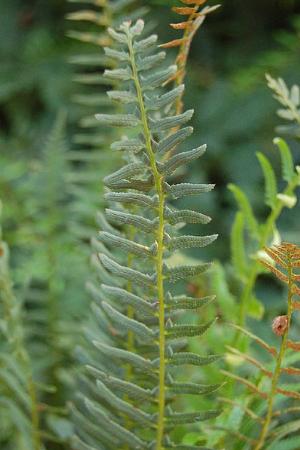
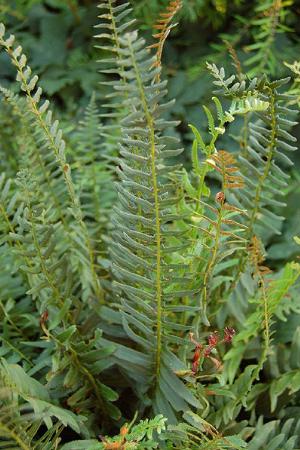




USE OF FERN WITH PHOTOS
using information from Fern Grower's Manual by Barbara Joe Hoshizaki & Robbin C. Moran and
The Encyclopaedia of Ferns An Introduction to Ferns, their Structure, Biology, Economic Importance, Cultivation and Propagation by David L. Jones ISBN 0 88192 054 1
Outdoor Use in
Northeastern United States Zones 3-6
Southeastern United States Zones 6-8
Southern Florida and Hawaii Zones 10-11
Central United States Zones 3-6
Northwestern United States Zones 5-8 with some Zone 9
Southwestern United States Zones 6-9
Coastal Central and Southern California Zones 9-10
Accent
Aquatic 1, 2
Basket 1,
Ferns for Hanging Baskets 2, 3, 4, 5, 6
Ferns for Hanging Baskets with Pendulous Fronds or weeping Growth Habit 7, 8
Bog or Wet-Soil 1,
Ferns for Wet Soils 2, 3
Border and Foundation 1, 2
Grow in Coastal Region
Cold-hardy Ferns 1, 2, 3, 4, 5, 6
Colour in Fern Fronds 1, 2, 3, 4
Conservatory (Stove House) or Heated Greenhouse 1, 2, 3, 4, 5
Drier Soil 1, 2, 3, 4
Grows on Rock (epilithic) 1, 2
Borne on Leaf (epiphyllous) 1, 2
Grows on another Plant (epiphyte) 1, 2
Evergreen and Deciduous
Fronds in Floral Decorations
Ferns for Acid Soil 1,
Lime-hating (Calcifluges) 2, 3, 4, 5
Ferns for Basic or Limestone Soil 1,
Ferns Found on Limestone or Basic Soils (Calciphiles) 2, 3, 4, 5, 6, 7, 8, 9, 10
Ferns for Ground Cover 1,
Ground Cover Ferns 2, 3, 4, 5
Ferns of the Atlantic Fringe with associated plants (1 - Atlantic Cliff-top Grassland, Ledges and Rough Slopes; 2 - Clay Coasts and Dunes of South-East Ireland; 3 - Limestones of Western Atlantic Coasts; 4 - Hebridean Machair; 5 - Horsetail Flushes, Ditches and Stream Margins; 6 - Water Margin Osmunda Habitats; 7 - Western, Low-lying, Wet, Acid Woodlands; 8 - Western, Oak and Oak-Birch Woodlands and Ravines, in the UK and Ireland)
Ferns in Coastal District with associated plants (Hard Rock Cliffs, Soft Rock Cliffs, Clay Coasts, or Coastal Sand-Dunes in the UK)
Ferns of Grasslands and Rock Outcrops (Grasslands; Rocks, Quarries and Mines in the UK)
Ferns of Heath and Moorland with associated plants (1 - Bracken Heath; 2 - Ferns of Moist Heathland Slopes and Margins of Rills and Streams; 3 - Heathland Horsetails, 4 - Heathland Clubmosses, in the UK)
Ferns of Lower Mountain Habitats with associated plants (1 - Upland Slopes and Screes; 2 - Base-rich, Upland Springs and Flushes; 3 - Base-rich, Upland, Streamside Sands and Gravels; 4 - Juniper Shrub Woodland, in the UK)
Ferns for Man-Made Landscapes with associated plants (South-western Hedgebanks, Hedgerows and Ditches, Walls and Stonework, Water Mills and Wells, Lime Kilns and abandoned Lime-Workings, Pit heaps and Shale Bings, Canals, Railways and Their Environs in the UK)
Ferns of Upper Mountain Habitats with associated plants (1 - High Mountain, Basic Cliffs and Ledges; 2 - High, Cliff Gullies; 3 - High Mountain Corries, Snow Patches and Fern beds; 4 - Ridges, Plateaux and High Summits, in the UK)
Ferns for Wetlands with associated plants (1- Ponds, Flooded Mineral Workings and Wet Heathland Hollows; 2 - Lakes and Reservoirs; 3 - Fens; 4 - Ferns of the Norfolk Broads' Fens; 5 - Willow Epiphytes in the UK)
Ferns in Woodland with associated plants (1 - Dry, Lowland, Deciduous Woodland; 2 - Inland, Limestone, Valley Woodland; 3 - Base-rich Clay, Valley Woodland; 4 - Basic, Spring-fed Woodland; 5 - Ravine Woodland on Mixed Rock-types; 6 - Native Pine Forest in the UK)
Ferns in Hedges or Hedgebanks
Outdoor Containers 1, 2, 3, 4, 5, 6, 7
Rapidly Growing Fern 1, 2
Resurrection Fern
Rock Garden and Wall Ferns 1, 2, 3, 4, 5
Shade Tolerant 1, 2, 3, 4
Slowly Growing Fern
Sun Tolerant 1, 2, 3, 4
House Fern in Trough Garden 1,
Fern Suitable for
Indoor Decoration 2, 3, 4, 5, 6
House Fern in Terrarium, Wardian Case or
Bottle Garden 1,
Ferns suitable for Terrariums, Wardian Cases 2, 3, 4,
5, 6
Grow in Woodlands 1, 2, 3, 4
TYPE OF FERN TO GROW WITH PHOTOS
using information from
Fern Grower's Manual by Barbara Joe Hoshizaki & Robbin C. Moran and
The Encyclopaedia of Ferns An Introduction to Ferns, their Structure, Biology, Economic Importance, Cultivation and Propagation by David L. Jones ISBN 0 88192 054 1
Aquatic Ferns (Azolla, Ceratopteris, Marsilea, Pilularia, Regnellidium, Salvinia)
Boston ferns (Nephrolepis exaltata), Fishbone ferns (Nephrolepis cordifolia), Lace ferns and Sword ferns
Cloak, Lip, Hand Ferns and their Hardy Relatives (Bommeria, Cheilanthes, Doryopteris, Gymnopteris, Hemionitis, Notholaena, Paraceterach, Pellae, Pleurosorus, Quercifilix) 1,
2, 3
Davallia Ferns (Araiostegia, Davallia, Davallodes, Gymno-grammitis, Humata, Leucostegia, Scyphularia, Trogostolon) 1, 2
Fern Allies (Psilotums or Whisk Ferns, Lycopodiums or Ground Pines, Selaginellas or Spike Mosses, and Equisetums, Horsetails or Scouring Rushes) 1, 2
Filmy and Crepe Ferns (Hymenophyllum, Trichomanes, Leptopteris) 1, 2
Lacy Ground Ferns (Culcita, Dennstaedtia, Histiopteris, Hypolepis, Leptolepia, Microlepia, Paesia, Pteridium) 1, 2
Lady Ferns and Their Allies (Allantodia, Athyrium, Diplazium, Lunathyrium, Pseudo-cystopteris, Callipteris, Cornopteris, Cystopteris) 1, 2
Maidenhair Ferns (Adiantum) 1, 2
Miscellaneous Ferns (Acrostichum, Actiniopteris, Anemia, Anogramma, Anopteris, Blotiella, Bolbitis, Christella, Coniogramma, Cryptogramma, Ctenitis, Cyclosorus, Didymochlaena, Dipteris, Elaphoglossum, Equisetum, Gymnocarpium, Llavea, Lonchitis, Lygodium, Macrothelypteris, Oeontrichia, Oleandra, Onoclea, Onychium, Oreopteris, Parathelypteris, Phegopteris, Photinopteris, Pityrogramma, Pneumatopteris, Psilotum, Stenochlaena, Thelypteris, Vittaria)
1, 2, 3, 4 including Fern Allies of Equisetum and Psilotum or Whisk Ferns
Polypodium Ferns and Relatives (Anarthropteris, Belvisia, Campyloneurum, Colysis, Crypsinus, Dictymia, Gonphlebium, Lecanopteris, Lemmaphyllum, Lexogramme, Microgramma, Microsorum, Niphidium, Phlebodium, Phymatosurus, Pleopeltis, Polypodium, Pyrrosia, Selliguea) 1, 2, 3
Primitive Ferns and Fern Oddities (Angiopteris, Botrychium, Christensenia, Danaea, Helminthostachys, Marattia, Ophioglossum, Osmunda and Todea)
Scrambling, Umbrella, Coral and Pouch Ferns (Dicranopteris, Diploptergium, Gleichenia, Sticherus)
Shield, Buckler, Holly Ferns and their Relatives (Arachniodes, Cyrtomium, Dryopteris, Lastreopsis, Matteuccia, Polystichum, Rumohra, Tectaria and Woodsia) 1, 2, 3, 4
Spleenworts Ferns (Asplenium) 1, 2, 3
Staghorns, Elkhorns and other large epiphytes (Aglaomorpha, Drynaria, Merinthosorus, Platycerium, Pseudodrynaria) 1, 2
Fern Allies - Tassel Ferns and Clubmosses (Lycopodium)
The Brakes (Pteris) 1, 2
Tree Ferns (Cibotium, Cnemidaria, Cyathea, Dicksonia, Nephelea and Trichipteris) 1, 2
Water, Hard, Rasp and Chain Ferns (Blechnum, Doodia, Woodwardia, Sadleria) 1, 2
Xerophytic Ferns (Actinopteris, Astrolepis, Cheilanthes, Doryopteris, Notholaena, Pellaea, Pityrogramma) 1, 2
Topic
|
|
|
|
STAGE 4C CULTIVATION, POSITION, USE GALLERY
Cultivation Requirements of Plant |
|
Outdoor / Garden Cultivation |
|
Indoor / House Cultivation |
|
Cool Greenhouse (and Alpine House) Cultivation with artificial heating in the Winter |
|
Conservatory Cultivation with heating throughout the year |
|
Stovehouse Cultivation with heating throughout the year for Tropical Plants |
|
|
|
Sun Aspect |
|
|
|
Soil Type |
|
|
|
Soil Moisture |
|
|
|
Position for Plant |
|
Ground Cover 0-24 inches (0-60 cms) |
|
Ground Cover 24-72 inches (60-180 cms) |
|
Ground Cover Over 72 inches (180 cms) |
|
1, 2, |
|
|
|
Use of Plant |
|
|
|
STAGE 4D Plant Foliage |
|
|
|
Flower Shape |
|
Number of Flower Petals |
|
|
|
Flower Shape - Simple |
|
|
|
|
|
|
Flower Shape - Elaborated |
|
|
|
Natural Arrangements |
|
|
|
STAGE 4D |
|
|
|
|
|
Form |
|
|
|
|
|
STAGE 1
Fragrant Plants adds the use of another of your 5 senses in your garden:- |
|
|
|
STAGE 2 Fan-trained Shape From Rhododendrons, boxwood, azaleas, clematis, novelties, bay trees, hardy plants, evergreens : novelties bulbs, cannas novelties, palms, araucarias, ferns, vines, orchids, flowering shrubs, ornamental grasses and trees book, via Wikimedia Commons |
|
Ramblers Scramblers & Twiners by Michael Jefferson-Brown (ISBN 0 - 7153 - 0942 - 0) describes how to choose, plant and nurture over 500 high-performance climbing plants and wall shrubs, so that more can be made of your garden if you think not just laterally on the ground but use the vertical support structures including the house as well. The Gardener's Illustrated Encyclopedia of Climbers & Wall Shrubs - A Guide to more than 2000 varieties including Roses, Clematis and Fruit Trees by Brian Davis. (ISBN 0-670-82929-3) provides the lists for 'Choosing the right Shrub or Climber' together with Average Height and Spread after 5 years, 10 years and 20 years. |
|
|
|
STAGE 2
|
|
|
|
STAGE 4D Trees and Shrubs suitable for Clay Soils (neutral to slightly acid) Trees and Shrubs suitable for Dry Acid Soils Trees and Shrubs suitable for Shallow Soil over Chalk Trees and Shrubs tolerant of both extreme Acidity and Alkalinity Trees and Shrubs suitable for Damp Sites Trees and Shrubs suitable for Industrial Areas Trees and Shrubs suitable for Cold Exposed Areas Trees and Shrubs suitable for Seaside Areas Shrubs suitable for Heavy Shade Shrubs and Climbers suitable for NORTH- and EAST-facing Walls Shrubs suitable for Ground Cover Trees and Shrubs of Upright or Fastigiate Habit Trees and Shrubs with Ornamental Bark or Twigs Trees and Shrubs with Bold Foliage Trees and Shrubs for Autumn Colour Trees and Shrubs with Red or Purple Foliage Trees and Shrubs with Golden or Yellow Foliage Trees and Shrubs with Grey or Silver Foliage Trees and Shrubs with Variegated Foliage Trees and Shrubs bearing Ornamental Fruit Trees and Shrubs with Fragrant or Scented Flowers Trees and Shrubs with Aromatic Foliage Flowering Trees and Shrubs for Every Month:- |
|




.jpg)
.jpg)

.JPG)


_J.B.Armstr._(AM_AK331146-4).jpg)

.jpg)


.jpg?uselang=en-gb)
Use of Fern
|
Use of Fern
See
If you grow and sell ferns, please tell me so that I can put them on this website and inform others where they can be bought online via mail-order. The remarkable sex life of ferns:-
|
||||||||||||||||||||||||||||||||||||||||||||||||||||||||||||||||||||||||||||||||||||||||||||||||||||||||||||||||||||||||||||||||||||||||||||||||||||||||||||||||||||||||||||||||||||||||||||||||||||||||||||||||||||||||||||||||||||||||||||||||||||||||||||||||||||||||||||||||||||||||||||||||||||||||||||||||||||||||||||||||||||||||||||||||||||||||||||||||||||||||||||||||||||||||||||||||||||||||||||||||||||||||||||||||||||||||||||||||||||||||||||||||||||||||||||||||||||||||||||||||||||||||||||||||||||||||||||||||||||||||||||||||||||||||||||||||||||||||||||||||||||||||||||||||||||||||||||||||||||||||||||||||||||||||||||||||||||||||||||||||||||||||||||||||||||||||||||||||||||||||||||||||||||||||||||||||||||||||||||||||||||||||||||||||||||||||||||||||||||||||||||||||||||||||||||||||||||||||||||||||||||||||||||||||||||||||||||||||||||||||||||||||||||||||||||||||||||||||||||||||||||||||||||||||||||||||||||||||||||||||||||||||||||||||||||||||||||||||||||||||||||||||||||||||||||||||||||||||||||||
|
|
||||||||||||||||||||||||||||||||||||||||||||||||||||||||||||||||||||||||||||||||||||||||||||||||||||||||||||||||||||||||||||||||||||||||||||||||||||||||||||||||||||||||||||||||||||||||||||||||||||||||||||||||||||||||||||||||||||||||||||||||||||||||||||||||||||||||||||||||||||||||||||||||||||||||||||||||||||||||||||||||||||||||||||||||||||||||||||||||||||||||||||||||||||||||||||||||||||||||||||||||||||||||||||||||||||||||||||||||||||||||||||||||||||||||||||||||||||||||||||||||||||||||||||||||||||||||||||||||||||||||||||||||||||||||||||||||||||||||||||||||||||||||||||||||||||||||||||||||||||||||||||||||||||||||||||||||||||||||||||||||||||||||||||||||||||||||||||||||||||||||||||||||||||||||||||||||||||||||||||||||||||||||||||||||||||||||||||||||||||||||||||||||||||||||||||||||||||||||||||||||||||||||||||||||||||||||||||||||||||||||||||||||||||||||||||||||||||||||||||||||||||||||||||||||||||||||||||||||||||||||||||||||||||||||||||||||||||||||||||||||||||||||||||||||||||||||||||||||||||||
Companion Plants
A question Shady Plants get asked many times is what flowering plants are suited for growing with ferns. There are a few choice plants, with elegant flowers with subtle shades that compliment ferns and grow well in shade. Here is a collection of plants that, in my opinion, go very well with ferns:-
and
Ferns of the Atlantic Fringe with associated plants (1 - Atlantic Cliff-top Grassland, Ledges and Rough Slopes; 2 - Clay Coasts and Dunes of South-East Ireland; 3 - Limestones of Western Atlantic Coasts; 4 - Hebridean Machair; 5 - Horsetail Flushes, Ditches and Stream Margins; 6 - Water Margin Osmunda Habitats; 7 - Western, Low-lying, Wet, Acid Woodlands; 8 - Western, Oak and Oak-Birch Woodlands and Ravines, in the UK and Ireland)
Ferns in Coastal District with associated plants (Hard Rock Cliffs, Soft Rock Cliffs, Clay Coasts, or Coastal Sand-Dunes in the UK)
Ferns of Grasslands and Rock Outcrops (Grasslands; Rocks, Quarries and Mines in the UK)
Ferns of Heath and Moorland with associated plants (1 - Bracken Heath; 2 - Ferns of Moist Heathland Slopes and Margins of Rills and Streams; 3 - Heathland Horsetails, 4 - Heathland Clubmosses, in the UK)
Ferns of Lower Mountain Habitats with associated plants (1 - Upland Slopes and Screes; 2 - Base-rich, Upland Springs and Flushes; 3 - Base-rich, Upland, Streamside Sands and Gravels; 4 - Juniper Shrub Woodland, in the UK)
Ferns for Man-Made Landscapes with associated plants (South-western Hedgebanks, Hedgerows and Ditches, Walls and Stonework, Water Mills and Wells, Lime Kilns and abandoned Lime-Workings, Pit heaps and Shale Bings, Canals, Railways and Their Environs in the UK)
Ferns of Upper Mountain Habitats with associated plants (1 - High Mountain, Basic Cliffs and Ledges; 2 - High, Cliff Gullies; 3 - High Mountain Corries, Snow Patches and Fern beds; 4 - Ridges, Plateaux and High Summits, in the UK)
Ferns for Wetlands with associated plants (1- Ponds, Flooded Mineral Workings and Wet Heathland Hollows; 2 - Lakes and Reservoirs; 3 - Fens; 4 - Ferns of the Norfolk Broads' Fens; 5 - Willow Epiphytes in the UK)
Ferns in Woodland with associated plants (1 - Dry, Lowland, Deciduous Woodland; 2 - Inland, Limestone, Valley Woodland; 3 - Base-rich Clay, Valley Woodland; 4 - Basic, Spring-fed Woodland; 5 - Ravine Woodland on Mixed Rock-types; 6 - Native Pine Forest in the UK)