Ivydene Gardens Grass Gallery:
|
Ornamental Grasses by Roger Grounds - Published in association with the Hardy Plant Society (ISBN 0-7470-1219-9) details all the ornamental grasses at present in cultivation together with guidance on how to make the best of grasses in the garden with practical advice on cultivation and propagation . |
Carex pendula is described in this Gallery and is one of the Garden 'thug' plants detailed by the Royal Horticultural Society (RHS) as follows:- "What are garden 'thug' plants?
Invasive plants are those that can quickly get out of hand in the garden, even though they are not regarded as weeds and are commonly sold in garden centres. Think carefully about introducing these plants to your garden, and be prepared to carry out judicious pruning and digging or thinning out as required. Examples of such plants include: Trees and shrubs
Climbers
Bamboos, sedges, reeds and grasses
Herbaceous perennials
Crevice plants
Edible crops
Ground cover plants
Bulbous plants
Pond plants There are a number of aquatic plants that can easily get out of hand in a garden pond and are considered true weeds. Ideally these should never be introduced to the pond, though they sometimes come unwittingly with other pond plants.
The problems Trees like the Leyland cypress and climbers such as Russian vine can grow so quickly that they are soon much too big for the garden. Trees such as poplar and sumach have a tendency to sucker, sending up shoots all over the garden and even in neighbours’ properties. Many ground cover shrubs like the snowberry or Hypericum calycinum spread via underground stems (rhizomes), sending up new plants and gradually taking over the border. Some bamboos also behave in this way, becoming a constant source of regret for the gardener. Potentially invasive herbaceous plants and grasses, such as Japanese anemones and Phalaris arundinacea, form ever-enlarging clumps that require frequent division. Others, such as golden rod or weeping sedge also spread by seed, with seedlings popping-up in unexpected places where they are not wanted. Bulbous plants such as Oxalis can produce tiny new bulbs, or offsets, which are scattered every time a clump is dug up, spreading the problem rather than controlling it.
Control Digging out unwanted plants may work for a while, but is only likely to be a temporary solution. Judicious use of weedkillers may be necessary. For herbaceous weeds, try a programme of spraying using a systemic herbicide containing glyphosate – Roundup and Tumbleweed are common brand names of such products. For woodier plants, choose a stump or brushwood killer such as ‘Bramble Killer Ultra’ or ‘Deep Root Ultra Tree Stump & Weedkiller’. Beware putting invasive plants on the domestic compost heap, as this is unlikely to reach a high enough temperature to kill off tough roots or underground stems (it is all right if they have already been killed off with weedkiller). Instead, place them in the municipal green waste, as this is composted on an industrial scale, where tough weeds should be killed off. Burning may also be appropriate, but check your local Council guidelines. " |
You can select 0 of the grasses described within a page from Camera Photo Galleries, which is not used in the Rock Garden by clicking on the centre of its thumbnail in the relevant Grass Inflorescence Comparison page within this gallery. This plant gallery has thumbnail pictures of grass inflorescence in the following colours:- This plant gallery has thumbnail pictures of grass leaf blades in the following colours:-
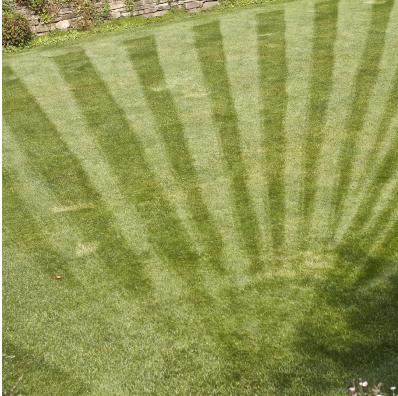
A lawn also contains ornamental grasses, which can be mown to provide a setting sun visage, as was done at Wisley in August 2012 (Photo by H. Kavanagh):-
These gallery photographs were provided by Christine Foord and they were photographed by Christine and Ron Foord. |
|
Grass Height from Text Border |
Blue = |
Green= |
Red = |
|||
Grass Soil Moisture from Text Background |
Wet Soil |
Moist Soil |
Dry Soil |
|||
Click on Grass Named to change page to the Grass Description Page of the Grass named in the Text box below that photo. |
||||||
|
|
|
|
|
||
Grass INDEX link to Grass Plant Description Page |
||||||
Botanical Name / Common Name |
Inflore-scence Colour |
Inflore-scence Months |
Height x Spread in inches (cms) |
Foliage Colour |
||
A, B |
|
|
|
|
||
|
|
|
|
|
||
C |
||||||
Carex pendula / Weeping Sedge |
Dark Brown spikes
|
54 x 60 |
Shiny Mid-Green leaves, which are 36 inches long and Blue-Green beneath
|
|||
Cortaderia selloana / Pampas Grass |
Silver spikelets
|
108 x 60 |
Mid-Green foliage with very sharp cutting edges
|
|||
D, E |
||||||
|
|
|
|
|
||
F |
||||||
Festuca glauca / Blue fescue |
Blue-Green spikelets
|
12 x 10 |
Blue-Green
|
|||
G |
||||||
|
|
|
|
|
||
H |
||||||
Hakone-chloa macra 'Albo-variegata' / Hakon Grass |
... |
... |
12 x 12 |
Green variegated White
|
||
I, J, K, L, M, N, O, P, Q, R, S, T, U, V, W, X, Y, Z |
||||||
|
|
|
|
|
||
|
||||||
CT Flora turf soil-free turf production process has a number of advantages over wild flower seeding:-
|
||||||
Enviromat is an extremely versatile, frost hardy, drought resistant, random mixture of flowering sedum plants. Use it as low maintenance groundcover or to create a living green roof. |
||||||
|
||||||
|
Site design and content copyright ©April 2007. Page structure amended January 2013. Feet changed to inches (cms) July 2015. Chris Garnons-Williams. |
|||||
|
||||||




GRASS GALLERY PAGES
Site Map of pages with content (o)
Introduction
INFLORESCENCE COLOUR
(o)Blue 
Orange 
(o)Other Colours
Pink 
Red 
(o)White 
Yellow 
LEAF COLOUR
Black 
(o)Blue
Brown 
Bronze 
(o)Green 
Grey 
Purple 
Red
Silver 
(o)Variegated White
Variegated Yellow
White
Yellow
Autumn Colour
4 Season Colour
FORM
Mat-forming
Prostrate
Mound-forming
Spreading
(o)Clump-forming
(o)Upright
Arching
SEED COLOUR
Seed
BED PICTURES
Garden
Topic
|
|
|
|
STAGE 4C CULTIVATION, POSITION, USE GALLERY
Cultivation Requirements of Plant |
|
Outdoor / Garden Cultivation |
|
Indoor / House Cultivation |
|
Cool Greenhouse (and Alpine House) Cultivation with artificial heating in the Winter |
|
Conservatory Cultivation with heating throughout the year |
|
Stovehouse Cultivation with heating throughout the year for Tropical Plants |
|
|
|
Sun Aspect |
|
|
|
Soil Type |
|
|
|
Soil Moisture |
|
|
|
Position for Plant |
|
Ground Cover 0-24 inches (0-60 cms) |
|
Ground Cover 24-72 inches (60-180 cms) |
|
Ground Cover Over 72 inches (180 cms) |
|
1, 2, |
|
|
|
Use of Plant |
|
|
|
STAGE 4D Plant Foliage |
|
|
|
Flower Shape |
|
Number of Flower Petals |
|
|
|
Flower Shape - Simple |
|
|
|
|
|
|
Flower Shape - Elaborated |
|
|
|
Natural Arrangements |
|
|
|
STAGE 4D |
|
|
|
|
|
Form |
|
|
|
|
|
STAGE 1
Fragrant Plants adds the use of another of your 5 senses in your garden:- |
|
|
|
STAGE 2 Fan-trained Shape From Rhododendrons, boxwood, azaleas, clematis, novelties, bay trees, hardy plants, evergreens : novelties bulbs, cannas novelties, palms, araucarias, ferns, vines, orchids, flowering shrubs, ornamental grasses and trees book, via Wikimedia Commons |
|
Ramblers Scramblers & Twiners by Michael Jefferson-Brown (ISBN 0 - 7153 - 0942 - 0) describes how to choose, plant and nurture over 500 high-performance climbing plants and wall shrubs, so that more can be made of your garden if you think not just laterally on the ground but use the vertical support structures including the house as well. The Gardener's Illustrated Encyclopedia of Climbers & Wall Shrubs - A Guide to more than 2000 varieties including Roses, Clematis and Fruit Trees by Brian Davis. (ISBN 0-670-82929-3) provides the lists for 'Choosing the right Shrub or Climber' together with Average Height and Spread after 5 years, 10 years and 20 years. |
|
|
|
STAGE 2
|
|
|
|
STAGE 4D Trees and Shrubs suitable for Clay Soils (neutral to slightly acid) Trees and Shrubs suitable for Dry Acid Soils Trees and Shrubs suitable for Shallow Soil over Chalk Trees and Shrubs tolerant of both extreme Acidity and Alkalinity Trees and Shrubs suitable for Damp Sites Trees and Shrubs suitable for Industrial Areas Trees and Shrubs suitable for Cold Exposed Areas Trees and Shrubs suitable for Seaside Areas Shrubs suitable for Heavy Shade Shrubs and Climbers suitable for NORTH- and EAST-facing Walls Shrubs suitable for Ground Cover Trees and Shrubs of Upright or Fastigiate Habit Trees and Shrubs with Ornamental Bark or Twigs Trees and Shrubs with Bold Foliage Trees and Shrubs for Autumn Colour Trees and Shrubs with Red or Purple Foliage Trees and Shrubs with Golden or Yellow Foliage Trees and Shrubs with Grey or Silver Foliage Trees and Shrubs with Variegated Foliage Trees and Shrubs bearing Ornamental Fruit Trees and Shrubs with Fragrant or Scented Flowers Trees and Shrubs with Aromatic Foliage Flowering Trees and Shrubs for Every Month:- |
|


.jpg?uselang=en-gb)