Ivydene Gardens Bee-Pollinated Bloom Plant Index Gallery: |
See Bee instead of wind pollinated plants for hay-fever sufferers |
||||||
If a plant is polinated by a bee, then it is not wind-pollinated. This means that the plants mentioned on this page and in the book "Garden Plants Valuable to Bees" (written by the International Bee Research Association) will be suitable for people who suffer from hay fever. You can compare the flower colour of the bee-pollinated plants with all the other bee-pollinated plants (who have Plant Description Pages in this website) using the Bee-pollinated 12 colours of Bloom in each Month Gallery. There are also 218 additional bee-pollinated plants (who may not have any Plant Description Page in this website) in the 12 colours per month pages of the Bee-pollinated Index Gallery. The importance of garden plants yielding nectar and pollen is that together they provide a continuous food supply - from willows and crocuses in early spring to ivy in late autumn. Colonies of bees need food through their active season , so that they can develop and rear new bees. This food supply used to be provided by pastures that came into flower before they were cut, by verges and hedgerows, and by abundant weeds. Nowadays the efficiency of agriculture has greatly reduced these resources for the bees. The list for gardens exclude most crop plants, most fruits and all very invasive plants that are difficult to control. It is designed for Britain, Ireland, Denmark, Belgium, France, Germany and the Netherlands. "Ordinary garden soil" is pH 5-7 and contains some humus-forming material. |
The report below details which plants in Greater San Francisco Bay Area Region of the USA were visited by each different bee family; and therefore will aid you in selection of plants that are bee-pollinated rather than wind-pollinated, besides the ones that I have listed in my table below:- RECORD OF NATIVE BEES FOUND IN THE GREATER SAN FRANCISCO BAY AREA REGION, WITH SOME OF THEIR LIKELY PLANT HOSTS Compiled by Laura Arneson |
||||||
Road Noise, Airport Noise, Industrial Units and Railway Noise next to gardens is detrimental to humans living in those houses within those gardens. There are 4 methods commonly used for sound attenuation (the reduction of intensity of outdoor sounds before they reach the receiver) :-
If the house owner has a noise problem from outside their property, then they can use the same solution as above using 1, 2, 3 and 4 only. Their sheds and storage facilities can be installed in area 4 with path 3. leading to them. |
|||||||
Single flowered cultivars (some are marked as 'Single Flowers') are more useful to bees than double flowered cultivars.
The final column shows the value of the plant to bees (honeybees and hive bees):
|
|||||||
Plant Name with link to mail-order nursery in UK / Europe |
Common Name |
Flowering Months of Plant Named but not "and it's cultivars" |
Flowering Colour of Plant Named but not "and it's cultivars" |
Height x Spread in inches (cms). |
Plant Type |
Comment The RHS has compiled this list of plants that will provide nectar and pollen for bees and many other types of pollinating insects:- |
N for Nectar |
Acer campestre Native in Maple Family Use the free tree ID app for Android and Iphone to identiy the UK's native and non-native trees. |
Maple, |
May-Jun
Male Flower. Both Male and Female flowers are in clusters on same tree. Attractive to aphids, ladybirds and moth, Small mammals eat the fruits |
Yellowish-Green Cup-shaped followed by large, winged fruits which are dispersed by wind.
Female Flower bud Full Sun, Part Shade |
180 x 120 (450 x 300) Field Maple trees grow and estimated 16-24 (40-60 cms) a year. Excellent shelter for local birds and wildlife through spring and summer |
Small, dark green and shiny, with 5 lobes and rounded teeth. Fades to golden yellow in autumn. Wet |
Deciduous Tree on chalk in woodland and old hedge-rows, coastal sites and windy, exposed sites. |
N P Major bee plant. |
Acer platanoides and it's cultivars Unfortunately, when my wife attended a conference in Belfast in October 2022, the maternity unit at the Hastings Hotel was devoid of newly created plastic yellow Norn Iron Ducks, which are given away to the guests. It took a couple of days before another was borne and she was eggstatic to bring it home for her husband's bath so that he could read all its printed wisdom. I wonder if her husband - with his Top Hat and Dickie (who has orchestrated the regimented sandwiches with your own mint icecream on ginger nut base and chocolate sheet above) - sitting on the napkin for the start of your teatime - looks after the ducklings when off duty by taking them to the leisure pool in Culloden Estate & Spa for swimming lessons! |
Norway Maple |
Mar |
Upright corymbs of yellow flowers |
960 x 600 (2400 x 1500) |
Large, broadly ovate, dark green leaves turn clear yellow or sometimes red in autumn. |
Vigorous, spreading, deciduous tree with a broad, rounded crown and tolerates poor, compacted soils, but not under concrete, tarmac or stone. "Especially when used in pavements on streets, it can have insufficient space for its root network and is prone to the roots wrapping around themselves, girdling and killing the tree." |
N P |
Acer pseudo-platanus Native in Maple Family |
Sycamore |
1400 x 1000 (3500 x 2500) |
Deciduous Tree. |
N P B honey. Major bee plant |
|||
Acer saccharum |
Sugar maple |
|
|
|
|
|
|
Aesculus hippocastanum |
Conker Tree, Horse-Chestnut |
Apr - May This is one of the plants poisonous to horses. |
White |
1400 x 700 |
Dark Green This needs a lot of space to grow with its wood being soft and weak, which does not burn well. |
Deciduous Tree on well-drained soil from Greece and Albania. Its fruit is called conkers and is used in a childrens game. Trees are normally planted in avenues. |
N P B |
Ajuga reptans |
Native plant. Bugle |
|
|
|
|
|
|
Arabis caucasica and its cultivars Garden Arabis is Native in Crucifer (Cabbage/Mustard) 1 Family |
Mountain Rock Cress, |
Apr-May |
Sweet-scented White or Pink It is deer and rabbit resistant. Butterflies are attracted to the flowers, which make excellent cut flowers |
8 x 39 |
Rock Garden |
Mat-forming Evergreen Perennial which is naturalised on walls, rocks and cliffs in chalk soil. Grow in full sun in gritty, alkaline well-drained moist soil as a groundcover on slopes or banks. Use in Butterfly Garden, Drought Tolerant Garden, edging and when set off against a backdrop of large rocks in a Rock Garden. It is resistant to dry soil, heat and poor soil. Companions - Chionodoxa forbesii 'Blue Giant', Iberis sempervirens, Bellis perennis 'Pomponette, Aubretia deltoidea. Edging Perennials and their companions. |
N P |
Aubretia |
Mar-May |
12 x 18 |
Evergreen Per Dark Green, small hairy leaves / Seed available from Zhong Wei Horticultural Products Company in Yunnan, China for shipping to all countries in the world. |
Mat-forming occuring among rocks, in scree and in coniferous woodland from Europe to Central Asia. Grow on walls, as ground cover on a sunny bank, edging or in a rock garden. Aubretia Companions - Phlox subulata, Alyssum saxatile and Iberis sempervirens. |
N P B |
||
Aurinia saxatilis and its cultivars |
Alyssum Gold Dust, Basket of Gold Attracts butterflies |
Mar-Jun |
Fragrant Bright Yellow |
8 x 12 Spacing at 12 (30) |
Evergreen Per |
An ideal 'carpeting' perennial for bedding, edging, rock gardens and dry walls. Grow in containers |
N P |
Berberis darwinii |
|
|
|
|
|
|
|
Berberis thunbergii |
|
|
|
|
|
|
|
Buxus sempervirens |
Native plant. Box |
|
|
|
|
|
|
Marsh Marigold, Kingcup, Mayflower Native UK plant |
Mar-Jun |
As marginal plants they will grow up to 20cm (8ins) under water; and can grow up to 50cm (20ins) in height. |
Herbaceous Per |
Bog and Marginal Pond Aquatic Perennial / |
N P B Nectar and Pollen is also collec-ected from its culti-vars |
||
Cercis siliquastrum |
Judas Tree Will not survive when its roots are covered by tarmac, concrete, stone or paving |
Most Flowers are produced on the previous year's wood |
Purple-rose, pea-shaped Full Sun but prefers Part Shade |
5 years 10 years 20 years |
Deeply veined, broad, heart-shaped leaves, purple/green with a blue sheen. Tolerates dry soil, but prefers moist |
A very attractive fan-trained large deciduous shrub for south-facing walls from woodland, woodland margins, and on rocky hillsides in southern Europe through to the Orient. Does best on neutral to acid well-drained soil types like calcareous sand. Older round-headed, half-open crown, plants resent transplanting. It eventually reaches 480 (1200) but extremely slowly, taking 50 years or more in most northerly locations. Protrudes up to 48 (120) from support if fan-trained, 144 (350) untrained. Use same support system as for Ceanothus 'Autumnal Blue'. |
N P |
Chaenomeles speciosa 'Moerloosei' |
Apple Blossom Ornamental Quince, Japanese Quince |
Mar-Apr |
Large white flowers, flushed dark pink are produced in thick clusters on wood 2 or more years old. Large, pear-shaped fruits follow the flowers, ripening to bright yellow. Tolerates all aspects from Full Sun to deep Shade |
5 years 10 years 20 years Protrudes 36-48 (91-120) from support |
Elliptic, medium-sized, mid-green. Some yellow autumn colour. Stem has isolated large rigid thorns. Apart from growth required for fan training, remove all previous season's growth back to 2 buds in spring before flowering, making sure that flowering buds are not removed. |
A fine flowering shrub, very attractive when pruned correctly as a fan-trained wall or fence shrub from mountain woodland in China and Japan. Does well on any well-drained, fertile, soil. Chaenomeles speciosa 'Nivalis' has white flowers. |
N P B |
Chaenpmeles japonica |
Japanese quince |
|
|
|
|
|
|
Chaenomeles x superba |
Japanese quince |
|
|
|
|
|
|
Erysimum cheiri and it's cultivars Native in Crucifer (Cabbage/Mustard) 2 Family |
Wallflower, Fleur de Nostra-Dama, Flor de pasque, Gillflower, Goldlack, Saint Geourges, Saint Jean, Todrilal, |
Fragrant, Orange-Yellow, Yellow, Brick Red or Orange Full Sun |
18 x 6 |
Wildflower Bedding. Stiff untoothed narrow lanceolate grey-green leaves covered with branched appressed hairs in a rosette. Dry |
Biennial on cliffs, old walls and rocks on chalk. The gardener's mainstay for spring bedding. |
N P B |
|
Cornus mas |
Corn-elian cherry |
|
|
|
|
|
|
Crataegus monogyna |
Native plant. Hawthorn |
|
|
|
|
|
|
Crocus and it's cultivars like From Bee pollinated flowers in winter Nov-Feb in Plants Folder Other Crocus cultivars in Colchicum/ Crocus Gallery |
Crocus |
Feb-Apr |
Purple in Native Iris Family |
5 x 2 |
The Dark Green - with a White band in the centre - leaves appear with the flowers. |
Corm. Crocuses provide an excellent and important source of early pollen for honeybees. |
N P |
Doronicum x excelsum |
Leopard's bane |
|
|
|
|
|
|
Enkianthus campanultaus |
|
|
|
|
|
|
|
Erica carnea and its cultivars Erica carnea cultivars are listed in the |
Winter Heath, |
Oct-May |
18 Heather Flower Colours shown in Erica carnea Site Map |
9 x 23 |
Heather |
Erica carnea is one of the hardiest of heathers. Provides good winter color with its long blooming season. When spaced properly, they form a carpet for a good ground cover. Established plants need little care. Most carneas are prostrate in habit and grow quickly. These are excellent for rock gardens, slopes and drifts of much needed winter colour. New tip growth is often cream colored. Erica carnea are some of the easiest heathers to grow and thrive in almost any soil. Any winter damaged stems can be pruned in spring. |
N P B |
Erica x darleyensis |
Heath |
|
|
|
|
|
|
Euphorbia characias |
Spurge |
|
|
|
|
|
|
Euphorbia polychroma |
Spurge |
|
|
|
|
|
|
Geranium phaeum |
Dusky cranesbill |
|
|
|
|
|
|
Hebe species & cultivars |
|
|
|
|
|
|
|
Helleborus x hybridus |
Hellebore |
|
|
|
|
|
|
Iberis saxatilis |
Candy-tuft |
|
|
|
|
|
|
Iberis semper-virens |
Perennial candytuft |
|
|
|
|
|
|
Ilex aquifolium |
Native plant. Holly |
|
|
|
|
|
|
Lamium maculatum |
Dead nettle |
|
|
|
|
|
|
Lunaria annua |
Honesty |
|
|
|
|
|
|
Mahonia aquifolium |
Oregon grape |
|
|
|
|
|
|
Malus baccata |
Crab apple |
|
|
|
|
|
|
Malus domestica |
Edible apple |
|
|
|
|
|
|
Malus floribunda |
Crab apple |
|
|
|
|
|
|
Malus hupehensis |
Crab apple |
|
|
|
|
|
|
Malus sargentii |
Crab apple |
|
|
|
|
|
|
Mespilus germanica |
Medlar |
|
|
|
|
|
|
Muscari armeniacum |
Grape hyacinth |
|
|
|
|
|
|
Ornithogalum umbellatum |
Star of Beth-lehem |
|
|
|
|
|
|
Pieris formosa |
|
|
|
|
|
|
|
Pieris japonica |
|
|
|
|
|
|
|
Primula vulgaris |
Native plant. Primrose |
|
|
|
|
|
|
Prunus 'Accolade' |
Flowering cherry |
|
|
|
|
|
|
Prunus avium |
Native plant. Wild and edible cherries |
|
|
|
|
|
|
Prunus domestica |
Edible plum |
|
|
|
|
|
|
Prunus dulcis |
Almond |
|
|
|
|
|
|
Prunus laurocerasus |
Cherry laurel |
|
|
|
|
|
|
Prunus mume |
Flower-ing cherry |
|
|
|
|
|
|
Prunus padus |
Native plant. Bird cherry |
|
|
|
|
|
|
Prunus persica |
Peach / nectarine |
|
|
|
|
|
|
Prunus spinosa |
Native plant. Black-thorn / sloe |
|
|
|
|
|
|
Prunus tenella |
Flowering cherry |
|
|
|
|
|
|
Prunus x yedoensis |
Flowering cherry |
|
|
|
|
|
|
Pulmonaria angustifolia |
Lung-wort |
|
|
|
|
|
|
Pulmonaria saccharata |
Lungwort |
|
|
|
|
|
|
Pyrus communis |
Pear |
|
|
|
|
|
|
Ribes nigrum |
Black-currant |
|
|
|
|
|
|
Ribes rubrum |
Red / white currant |
|
|
|
|
|
|
Ribes sanguineum |
Flowering currant |
|
|
|
|
|
|
Salix caprea |
Native plant. Goat willow - male form, not female |
|
|
|
|
|
|
Salix hastata 'Wehrhahnii' |
Willow |
|
|
|
|
|
|
Salix lanata |
Willow |
|
|
|
|
|
|
Skimmia japonica |
|
|
|
|
|
|
|
Smyrnium olusatrum |
Alexanders |
|
|
|
|
|
|
Stachyurus chinensis |
|
|
|
|
|
|
|
Stachyurus praecox |
|
|
|
|
|
|
|
Taraxacum officinale |
Native plant. Dandelion |
|
|
|
|
|
|
Vaccinium cory |
|
|
|
|
|
|
|
|
|
|
|
|
|
|
|
|
Other Alliums in Allium/ Anemone Gallery and |
Garlic |
Mar-Nov |
Many colours |
18 x24 |
Bulb , As a general rule the foliage will emerge first and then die down as the flower stems emerge. It is often best to plant them with other plants that will mask the unsightly foliage as it dies back. |
All Alliums have the distinctive onion smell, both in the foliage and bulb. This smell can be used to reduce aphid infestations on flowers by planting 1 each side of the infected plant with a short length of bamboo to indicate that its foliage comes from an ornamental onion rather than a blade of grass. For best effect plant Medium Allium species with smaller heads en masse and use the larger headed species as accents (speciman plants). "Alliums last well and are decorative for flower arrangements as they make a very distinctive shape in a mixed group. |
N P |
Anemone blanda and it's cultivars Other Anemones in Allium/ Anemone Gallery and |
Grecian Windflower |
Apr-May |
Blue, Pink or White
Require to be dry during their dormancy period during the summer, otherwise moist soil. |
6 x 6 |
Bulb , |
Woodlands,
|
P B |
|
Armeria maritima (Thrift) and Armeria arenaria (Broad-leaved Thrift) are |
Thrift, 12,450 species are available from KPR Gardeners Club to Europe. |
Apr-Oct |
In every shade of Pink or in some cases purple, white, or red |
12 x 12 |
Evergreen Per |
Native habitat on sea-cliffs, stone walls, shingle, saltmarshes, stony flushes and on riverside shingle. Will grow beside salt-treated roads. Grow in xeriscapes or rock gardens and suitable for coastal locations |
N P B |
Aster alpinus and its cultivars |
Alpine Aster, Attracts butterflies and birds |
May-Jul |
Blue-violet rays and golden-yellow centres |
6-12 x 6-12 |
Herbaceous Per with narrow dark green leaves. Requires at least 90 frost free days for proper growth. |
Native habitat in high mountains above the timber line in the Alps and Pyrenees. Grow in Rock Garden, Cottage Garden, Banks, Slopes or large Patio containers, where it slowly spreads with a neat and compact habit. Plant Combinations from Gardenia. |
N P |
Centaurea montana |
Mountain Bluet, Perennial Cornflower, Mountain Cornflower, Montane Knapweed. |
May-Sep |
Violet-Blue Full Sun, |
18 x 24 |
Evergreen Per, so it can prepare to flower while deciduous trees and shrubs are bare of leaves. They are so good for wildlife and bio-diversity that farmers are advised to plant them in and around their fields and crops |
Grows in meadows and open woodland in the upper montane. Well-drained sand or chalk soil, which does not dry out, so mulch it in the spring. |
N B |
Centaurea cyanus and it's cultivars Native in |
Cornflower (Bachelor's Button) |
Jul-Sep or May-Jul dependent on when sown |
Blue There are varieties with blue, white, purple, pink or even black petals. |
23 x 6 Seeds are favourite food of the European Goldfinch. |
Wildflower Annual with narrow, lance-shaped, mid-green leaves. Mulch to prevent drying out of soil. |
Naturalise in a sunny wildflower meadow. |
N P |
Chionodoxa forbesii and it's cultivars Chionodoxa forbesii 'Pink Giant', |
Glory of the Snow Mouse, Rabbit and Deer resistant |
Pink, or Blue varieties, Star-shaped Full Sun, |
4-8 x 2-4 |
Bulb with dark green leaves |
Free-draining sand, chalk. |
N P |
|
Cotoneaster conspicuus Trees and Shrubs Online is a project to create a truly modern reference to temperate trees and shrubs. The International Dendrology Society is dedicated to promoting the knowledge of trees and shrubs and is pleased to be able to stand behind this important project. |
Tibetan cotoneaster, |
May-Jun |
Cup-shaped White Full Sun for best berry production and shelter from strong winds, Part Shade |
60 x 96 |
Evergreen Shrub. Small, narrowly-elliptic, dark green |
Native in South-East Tibet. Hortipedia, the plant database that lets you search and find plants by life-form, bloom color, bloom time, size, and many more criteria. Our database currently holds entries about more than 32000 plants. |
N P B |
Cotoneaster dammeri |
Bearberry Cotoneaster |
May-Jun |
Fragrant White with pink outer sides Full sun, |
8 x 72 (20 x 180) |
Evergreen Shrub. Elliptical, leathery, dark green with underside of gray-green. The leaves turn purple in the autumn. Root system of finely branched and very shallow roots, so do not hoe under this plant. |
Grows in mountainous regions, on cliff sides and in open, mixed forests on dry and chalk soils. Use as weed-suppressing evergreen groundcover on well-drained clay, chalk or sand. It stabilises banks of soil, because it can lay down its roots quickly. Replace lawn with this if you do not have the time to cut the lawn every 2 weeks or you do not use the lawn for any activities. You can use it as a groundcover between trees and tall shrubs. |
N P B |
Cotoneaster horizontalis 'Variegatus' |
Herringbone Cotoneaster, |
May-Jul |
Red flowers are followed by berries, which are eaten by birds. |
18 x 40 |
Deciduous Shrub. The long arching stems are clothed in small oval shaped green leaves with a soft cream margin. These turn red and pink in Autumn. Moist |
Fertile, well-drained chalk or Sand. Companions - try planting under Lilac or Spiraea, or in a mixed border with eoonymus and a splash of colour with some Heucheras. |
N P B |
Crocus chrysanthus like See other Crocus chrysanthus cultivars in Colchicum/ Crocus Gallery |
Crocus |
Jan-Mar |
Light |
The Dark Green leaves are produced with the flowers |
If placed near the root crowns of deciduous shrubs, winter-flowering crocus get the sun they need in late winter & early spring when they bloom, then when they are dormant, the roots of the shrubs will soak up the water to keep the corms from steeping in too much moisture, so not at risk of rot. |
N P |
|
Jan-Mar |
Cobalt-Violet with outside Silvery-Grey |
Perennial Corm The 8-9 inch (20-23) long Grey-Green leaves are produced with the flowers. |
Full Sun (Full Sun for 4 hours a day)and Part Shade. Full Sun will make the blooms open fully. |
P |
|||
Broom |
Apr-May |
Rich Yellow |
24 x 36 |
Deciduous Shrub. Mid Green leaves, divided into 3 leaflets, are small. Dry |
Full Sun and well-drained soil for this mat to hummock-forming shrub, which is too large for the smaller rock garden. One of the brooms that tolerate alkaline soils. |
N P B |
|
Cytisus x kewensis like Cytisus x kewensis 'Niki'. |
Broom |
Pea-like Yellow Flowers |
18 x 60 |
Semi-prostrate |
All Cytisus like well drained soil in full sun, but dislike shallow chalk and very acid soils. |
N P B |
|
Daphne cneorum and its cultivars All parts of this plant are poisonous to humans, dogs, cats and horses. |
Garland Flower, |
Apr-May |
Clusters of strongly scented |
6 x 72 |
Evergreen Shrub with smooth dark green leaves with trailing and branching stems |
Grow in Rock Garden in slightly acid to slightly alkaline soil. Also grow in Gravel Garden or Coastal Garden. |
N P |
Eranthis hyemalis (Buy "in the Green", From Bee pollinated flowers in winter Nov-Feb in Plants Folder Native in |
Winter Aconite |
Flowers opening above 10 degrees Centi-grade. |
6 x 12 |
Wildflower Rhizome, Mid Green, which dies back in the summer / Moist. |
A small, tuberous perennial, dying back in summer. It is naturalised, sometimes in large numbers, in open woodland, grassland and scrub associated with habitation, under park trees, in gardens and on road verges. Visited by hive-bees and flies.
|
PNB |
|
Eschscholzia californica and Thai Silk Series cultivars |
California Poppy, Golden Poppy, California Sunlight, Cup of Gold |
Yellow to Orange with |
60 x 20 |
Bedding Blue-Green / |
Annual / |
N P B |
|
Fritillaria meleagris Native in |
Fritillary, |
Purple to White |
12 x 6 (30 x 15) |
A bulbous perennial herb of damp, sometimes winter-flooded, neutral grasslands, usually those managed for hay with aftermath grazing. It is frequently planted in other grassland habitats and sometimes becomes naturalised. |
|
N P B |
|
Galanthus nivalis and its cultivars (Buy "in the Green")
From Native in Daffodil Family |
Snowdrop - single flowered forms |
Feb-Mar |
Very fragrant Creamy- White |
8 x 4 |
Wildflower Bulb Narrow, grey-green. Moist, but well-drained, chalk, sand, clay |
A bulbous perennial herb of moist woodlands and other shaded places. It is especially frequent in parks, large gardens and churchyards, but also occurs on road verges, by watercourses and in damp grassland. Spread is mainly by division of the bulbs, as seed production is poor. |
N P B Pollen is collec-ted from the Wild-flower but not from the double flowers of the garden varie-ties. |
Genista hispanica and its cultivars Companions - Santolina chamae-cyparissus, Stachys byzantina, Erica carnea 'December Red', Allium hollandicum 'Purple Sensation' |
Spanish Gorse is drought-tolerant, with deer and rabbit resistant. Plant on edge of raised bed to cascade over the bed. New growth will not rejuvenate from old wood. |
May-Jun |
Golden-Yellow Full Sun |
30 x 60 Space at 60 (150) |
Ovate-oblong, mid-green prickly leaves, only present on flowering branches. Dry |
Dense, mound-forming, spiny, deciduous shrub. Suitable in poor infertile, well-drained Chalk or Sand. |
B |
Geranium ibericum |
Caucasian Cranesbill, Iberian Geranium, Caucasus Geranium |
May-Jun |
Violet-blue Full Sun, |
20 x 24 |
9-11-lobed, basal leaves. Dry to Moist |
Clump-forming, hairy herbaceous perennial, from Caucasus, North-east Turkey and Northern Iran. Use as ground cover in dry sites |
N P |
Geranium versicolor Native in Geranium Family |
Pencilled Cranesbill Do you fancy Beeswax Wraps or Seedballs for Wildlife? |
May-Oct |
Pale Pink, funnel-shaped Full Sun, |
18 x 18 |
Brown-marked, light green, basal leaves. |
This semi-evergreen perennial grows in large tufts. A garden escape, usually in isolated clumps on hedge-banks in most well-drained soils. Use as edge, in pots, cutflower, groundcover, cottage garden, wildflower garden and rock garden It is possible to find a geranium to suit most parts of your garden |
N |
Geum and its cultivars |
Water Avens |
Seeds are burr-like and caught in the coats of rabbits and other small mammals. |
Red Full Sun, |
6-18 x 18-30 Clump-forming, evergreen and bushy |
Companions - Geraniums, Grasses. Potentilla and Fragaria. Also try Dryopteris, Epimedium, Polygonatum, Trollius, Euphorbia and Primulas. |
A perennial herb of mildly acidic to calcareous, slow-draining or wet soils, in shaded or open habitats, including streamsides and flushes in deciduous woodland, carr, herb-rich hay meadows and montane willow scrub and tall-herb communities on ledges. Reproduction is by seed and by rhizomatous spread. |
N P |
Gilia capitata Native plant of North America and common component of wildflower seed mixes |
Queen Anne's Thimbles, Blue-thimble-flower, Bluehead gilia, blue field gilia, globe gilia |
May-Aug |
Lavender-blue, in terminal pincushion like heads of 50-100 flowers Full Sun |
18-24 x 8-9 (45-60 x 20-23) |
Feathery, 2-pinnate dark green leaves. Companions - Eschscholzia caifornica, Clarkia species, Nemophila menziesii, Delphinium cardinale, Allium species and native to North America grasses |
Erect Annual from Eastern North America on open, dry slopes. Use as bedding in sandy or rocky soils and as a cutflower. It also attracts butterflies, so use for butterfly Garden and for Bee Garden. Suitable for Coastal Garden. |
N P |
Hebe pinguifolia 'Pagei' Burncoose Nurseries provides this Hebe Growing Guide. |
Shrubby Veronica Butterfly friendly. Companion - Hebe 'Silver Dollar' |
May-Jun |
White flowers in dense, axillary spikes |
12 x 36 |
4-ranked, obovate-elliptic, leathery, blue-green leaves. |
Erect then semi-prostrate shrub in rock garden and in coastal regions from New Zealand. Use as ground cover to inhibit weed growth in moist chalk or sand soil in Full Sun or Part Shade with shelter from cold winds.. |
N B |
Acanthus hungaricus |
Bear's breeches Crocus states that this plant goes well with a Dewit perennial planter - this companion needs polishing each week |
May-Jul |
White or pale pink flowers in upright flower spikes, each with a green or purplish hood Full Sun, |
60 x 36 |
Oblong-ovate, dark green leaves. |
Clump-forming herbaceous perennial dies back to below ground level in the autumn. Originates in moist open woodland and scrub in sand. Water well during hot, dry spells to minimise risk of powdery mildew. Excellent for cutting, fresh or dried. Use as speciman and in containers. |
B |
Japanese Maple |
Tiny, purple-red flowers are followed by red-winged fruit. Full Sun, |
72 x 72 |
5- to 9- deeply lobed, red-purple leaves, turning brilliant red in autumn. Moist, organically rich. |
Round-headed, deciduous tree in well-drained chalk or sand soil. Mulch the roots of this plant in autumn to prevent the roots freezing in the winter. |
N P |
||
|
"A tree for smaller gardens with ultimate height of 6-8 metres, with a 4 to 6 metres spread." Remember to plant this tree at least 12 metres from any building to prevent subsidence. |
Red Snake-bark Maple Plant this tree in its dormancy period from mid-november to late April |
Apr-May Also attractive to butterflies |
Greenish white flowers in pendent racemes followed by single-seeded, winged, always in pairs fruit Full Sun |
400 x 400 (1000 x 1000) The plant roots are shallow and do not cover them with grass which will kill it. |
Broadly ovate, mid- to dark green leaves, which turn bright orange-red to deep red in the autumn. grey-white striped bark Moist, well-drained |
Deciduous tree with spreading, arching branches in vase shape from mountainous regions of Japan - usually growing alongside mountain streams - on light acidic sand. Grow as speciman in a large garden or in a 100 cm diameter tree container in a small garden with the pot on feet so that the roots of this tree do not reach the ground |
N P |
Paper-bark Maple Acers "bleed" if pruned too early, so prune between November to January |
Yellow flowers in pendent racemes Full Sun, |
400 x 400 (1000 x 1000) Companions - Ginkgo biloba, Camellia sasanqua 'Crimson King', Euonymus europaeus |
Dark green, 3-palmate leaves which turn orange to red and scarlet in the autumn. Mulch annually with well-rotted manure or compost to keep the soil moist |
Slow-growing, spreading, deciduous tree with peeling, orange-brown bark from Central China. Grow in well-drained acidic sand, but tolerates clay Grow as speciman in a large garden or in a 100 cm diameter tree container in a small garden with the pot on feet so that the roots of this tree do not reach the ground. Popular bonsai subject in Europe |
N P |
||
Box Elder If you plant this tree in your lawn, then the grass will take all the rain and since it usually grows alongside streams, river flood plains and low woods it will not appreciate it |
Mar-Apr |
Greenish-Yellow flowers in thick bundles, before the leaves appear Full sun, |
300 x 300 (750 x 750) |
Pale to rosy pink variegated leaves at tips of all new growths from late spring, through early summer and often into autumn. Mature leaves variegated white. Moist to wet |
See description in Climbers with winter bark page Use as a fan-trained tree for large walls, as a shade tree and as a hedge to show its variegated foliage. Use in woodland margins. Prone to reversion, so any branches with purely green leaves will need to be removed completely. |
N P |
|
Acer palmatum f. atropurpureum |
Japanese Maple |
Tiny purple star-shaped flowers |
240 x 200 |
Deeply lobed dark purple-red leaves that turn fiery red in autumn. |
Deciduous Tree used as a Wall Shrub for The Prime Site Grow best in partly shaded situations and fertile, moist, well-drained neutral to acid rich soil. Use - As a freestanding, upright or fan-trained deciduous tree. It also looks good in a container. Acer palmatums benefit from shelter from fierce winds and cold in early spring as bad weather can burn the young leaves. It is slow growing with many different leaf forms and colours; all turn to brilliant reds in autumn. |
N P |
|
Coral Bark Japanese Maple |
Small reddish flowers Full Sun |
240 x 180 (600 x 450) Companions - Cornus sanguinea 'Midwinter Fire', Leocojum vernum |
Deeply 5-lobed leaves opening orange-yellow, before turning soft green in summer, then turning soft yellow in autumn |
Triggered by a cold spell, bright coral-red shoots in winter make a stunning focal point. Round-headed, deciduous tree in moist, but well-drained, organically rich, chalk or sand site. A smaller alternative is Acer palmatum 'Winter Flame'. Speciman plant in cottage garden, foundation plantings and in a four season border with evergreen conifers and japanese maples. |
N P |
||
Indian Horse Chestnut, Himalayan Horse Chestnut |
White flowers turn Pink once pollinated; the flowers are in cylindrical panicles, followed by smooth-skinned fruit |
600 x 600 (1500 x 1500) |
7-palmate leaves composed of obovate to lance-shaped leaflets, opening bronze and turning glossy, mid-green. Its leaves are used as cattle fodder in Northern India. |
Spreading, rounded tree from North-West Himalayas. Can be used as a large-sized bonsai. Used in parkland and large estates for its foliage which turns orange and yellow in the autumn. It tolerates chalk soils and will tolerate most well-drained soils. |
N P |
||
Caragana arborescens |
Salt Tree |
Apr-May |
Small, yellow, pea-shaped flowers borne in clusters of up to 4 on thin stalks, followed in the autumn by small pods, containing 4-6 seeds Tolerates all aspects of Sun and Shade, best in Full Sun |
5 years 10 years 20 years Protrudes up to 36 inches (91cm) from support. |
Very thin, wispy, feathery, light grey-green leaves. Yellow autumn colour. May be late to break leaf in spring and can appear to be dead, but grows quickly once established. |
Use as a small fan-trained deciduous tree or shrub for large walls. Moderately fast growing, slowing with age. Plant in any soil. Requires tying to wires or individual anchor points. Further details in The Gardener's illustrated Encyclopedia of Climbers & Wall Shrubs - A guide to more than 2000 varieties including Roses, Clematis and Fruit Trees by Brian Davis. Published in Great Britain by Viking in 1990. |
N P B |
Ceanothus 'Spring flowering cultivars' like |
California Lilac |
Reddish-purple buds open to Dark Blue - Indigo - |
120 x 120 |
Arching branches with finely toothed, dark green leaves. Prune Jul-Aug and then provide a 3 inch (7 cm) depth of well-rotted manure |
Dense Evergreen Shrub |
N P B Pollen in UK. |
|
Chaenomeles speciosa 'Nivalis' |
Ornamental Quince, Flowering Quince |
Mar-Apr |
Pure White - green-white on first opening. 5-petalled, cup-shaped, single, flowers produced on wood 2 or more years old. Large, pear-shaped fruits follow the flowers, ripening to bright yellow. Tolerates all aspects from Full Sun to deep Shade |
5 years 10 years 20 years Protrudes 36-48 (91-120) from support |
Elliptic, medium-sized, mid-green. Some yellow autumn colour. Stem has isolated large rigid thorns. Apart from growth required for fan training, remove all previous season's growth back to 2 buds in spring before flowering, making sure that flowering buds are not removed. |
A fine flowering shrub, very attractive when pruned correctly as a fan-trained wall or fence shrub from mountain woodland in China and Japan. Does well on any well-drained, fertile, soil. Chaenomeles speciosa 'Port Eliot' has large red flowers. |
N P B |
|
|
|
|
|
|
|
|
The remainder of the entries for this table have been transferred to the third table across on the right. |
|||||||
|
|
|
|
|
|
|
|
|
How to grow plants for bees
|
||||||
|
|
|
|
|
|
|
|
Top ten plants that are bad for bees from Countryfile Magazine:-
This is another list of Plants toxic to bees, which includes:-
|
|||||||
|
|
|
|
|
|
|
|
Site design and content copyright ©December 2006. Page structure changed September 2012. External and Internal links added May 2015. Data added to existing pages December 2017. Chris Garnons-Williams. DISCLAIMER: Links to external sites are provided as a courtesy to visitors. Ivydene Horticultural Services are not responsible for the content and/or quality of external web sites linked from this site. |
Height in inches (cms):- 25.4mm = 1 inch I normally round this to |
The bee can pollinate the flower, which can then produce a seed. Hymn 881 then instructs the seed:- Push, little seed, |
|||||
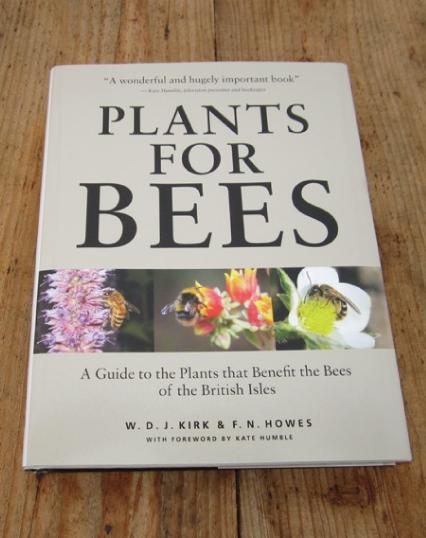
"Plants For Bees BOOK (By WDJ Kirk and FN Howes; Published by IBRA) This is a ‘must-have’ book for anyone serious about gardening for bees This would make an ideal gift for any budding gardener, with some emphasis on which plants are suitable for growing in the British Isles, though would be applicable to any country with a similar temperate climate, as honeybees around the world have pretty much the same tastes and tongue-length. Bumblebees will also forage on any plant which provides nectar, and pollen, to their liking within reach of their tongue, regardless of the origin of the plant. So bees are not prejudiced against non-native plants. Nor should we be, as long as their benefits outweigh any capacity to become invasive weeds, of course. It is an extremely well researched work; though the author is quick to remind us that this volume by no means contains all the bees favourite plants; though it contains enough to keep us very busy and bees very happy (review by Sarah Holdsworth)" from Bee Happy Plants. "Bee Happy Plants based at Lakehayes Organic Nursery, is a small family run business, established and put into Soil Association organic conversion in 2002. Now run by Sarah and daughter Joy, with help from other family members, various local part-time and seasonal workers; all have contributed to what has become an efficient production line of seed-raised, organic, wild species plugs, plants and more seeds. Sarah (with experience on organic farms since the 1980’s and RHS Level 3 at Bicton Agricultural College), would say the inspiration behind Bee Happy Plants began way back on the isolated smallholding of her childhood, in countryside untouched by modern agriculture. Watching parents, Fitz and Brygid and salt-of-the-earth land-worker Fred Shire care for 25 acres: planting trees, wild and formal gardens, fruit and vegetable garden, and maintaining permanent pasture and orchard, with nothing much more than a few grazing animals, a fork, a scythe and a sense of humour. It was this idyllic, magical place brimming with wildlife in all its weird and wonderful forms, from the gentle and regular hoot of owls, to the humming and buzzing of insects. The shock came later when it dawned that the place of her childhood was unique. Few other places like this jewel of unspoilt countryside still exist. Instead the ‘green deserts’ of monoculture expand; where weeds, insects and wildflowers are no longer welcome, birds no longer gather, and bees go hungry. Understanding that it is down to ordinary people like us, in our own gardens, to nurture something wild or heritage – we can all help to save bees’ favourite plants. Bee Happy Plants was conceived to help us do this. Sarah Holdsworth 2014 ". |
|||||||
For my recommendation on what to do with your prunings, kitchen scraps and grass mowings see Compost Bins in Companion Planting Page C, instead of composting them in a small 1 cubic yard domestic garden compost bin. |
|||||||


This group has been completed in the Index Gallery only |
|
||||||||||||||||||||||||||||||||||||||||||||||||||||||||||||||||||||||||||||||||||||||||||||||||||||||||||||||||||||||||||||||||||||||||||||||||||||||||||||||||||||||||||||||||||||||||||||||||||||||||||||||||||||||||||||||||||||||||||||||||||||||||||||||
|
|||||||||||||||||||||||||||||||||||||||||||||||||||||||||||||||||||||||||||||||||||||||||||||||||||||||||||||||||||||||||||||||||||||||||||||||||||||||||||||||||||||||||||||||||||||||||||||||||||||||||||||||||||||||||||||||||||||||||||||||||||||||||||||||
Comment |
Plant Name |
Common Name |
Feb-Mar |
Apr |
May |
Jun |
Jul |
Aug |
Sep-Oct |
||||||||||||||||||||||||||||||||||||||||||||||||||||||||||||||||||||||||||||||||||||||||||||||||||||||||||||||||||||||||||||||||||||||||||||||||||||||||||||||||||||||||||||||||||||||||||||||||||||||||||||||||||||||||||||||||||||||||||||||||||||||
Pollen |
Alnus glutinosa |
Alder |
|
|
|
|
|
|
|||||||||||||||||||||||||||||||||||||||||||||||||||||||||||||||||||||||||||||||||||||||||||||||||||||||||||||||||||||||||||||||||||||||||||||||||||||||||||||||||||||||||||||||||||||||||||||||||||||||||||||||||||||||||||||||||||||||||||||||||||||||
Nectar and Pollen |
Prunus dulcis |
Almond |
000 |
|
|
|
|
|
|||||||||||||||||||||||||||||||||||||||||||||||||||||||||||||||||||||||||||||||||||||||||||||||||||||||||||||||||||||||||||||||||||||||||||||||||||||||||||||||||||||||||||||||||||||||||||||||||||||||||||||||||||||||||||||||||||||||||||||||||||||||
Pollen |
Lobularia maritima |
Alyssum |
|
|
|
000 |
000 |
|
|||||||||||||||||||||||||||||||||||||||||||||||||||||||||||||||||||||||||||||||||||||||||||||||||||||||||||||||||||||||||||||||||||||||||||||||||||||||||||||||||||||||||||||||||||||||||||||||||||||||||||||||||||||||||||||||||||||||||||||||||||||||
Nectar |
Anchusa species |
Anchusa |
|
|
000 |
000 |
000 |
000 |
|||||||||||||||||||||||||||||||||||||||||||||||||||||||||||||||||||||||||||||||||||||||||||||||||||||||||||||||||||||||||||||||||||||||||||||||||||||||||||||||||||||||||||||||||||||||||||||||||||||||||||||||||||||||||||||||||||||||||||||||||||||||
Honey, |
Malus pumila |
Apple |
|
000 |
|
|
|
|
|||||||||||||||||||||||||||||||||||||||||||||||||||||||||||||||||||||||||||||||||||||||||||||||||||||||||||||||||||||||||||||||||||||||||||||||||||||||||||||||||||||||||||||||||||||||||||||||||||||||||||||||||||||||||||||||||||||||||||||||||||||||
Nectar and Pollen. |
Arabis species |
Arabis |
000 |
000 |
|
|
|
|
|||||||||||||||||||||||||||||||||||||||||||||||||||||||||||||||||||||||||||||||||||||||||||||||||||||||||||||||||||||||||||||||||||||||||||||||||||||||||||||||||||||||||||||||||||||||||||||||||||||||||||||||||||||||||||||||||||||||||||||||||||||||
Pollen |
Fraxinus excelsior |
Ash |
000 |
000 |
000 |
|
|
|
|||||||||||||||||||||||||||||||||||||||||||||||||||||||||||||||||||||||||||||||||||||||||||||||||||||||||||||||||||||||||||||||||||||||||||||||||||||||||||||||||||||||||||||||||||||||||||||||||||||||||||||||||||||||||||||||||||||||||||||||||||||||
Nectar and Pollen |
Aubretia deltoidea |
Aubretia |
000 |
000 |
|
|
|
|
|||||||||||||||||||||||||||||||||||||||||||||||||||||||||||||||||||||||||||||||||||||||||||||||||||||||||||||||||||||||||||||||||||||||||||||||||||||||||||||||||||||||||||||||||||||||||||||||||||||||||||||||||||||||||||||||||||||||||||||||||||||||
Pollen |
Colchicum autumnale |
Autumn Crocus |
|
|
|
|
|
000 |
|||||||||||||||||||||||||||||||||||||||||||||||||||||||||||||||||||||||||||||||||||||||||||||||||||||||||||||||||||||||||||||||||||||||||||||||||||||||||||||||||||||||||||||||||||||||||||||||||||||||||||||||||||||||||||||||||||||||||||||||||||||||
Honey and |
Impatiens balsamina, Impatiens bicolor. |
Balsam |
|
|
|
000 |
000 |
000 |
|||||||||||||||||||||||||||||||||||||||||||||||||||||||||||||||||||||||||||||||||||||||||||||||||||||||||||||||||||||||||||||||||||||||||||||||||||||||||||||||||||||||||||||||||||||||||||||||||||||||||||||||||||||||||||||||||||||||||||||||||||||||
Pollen source only in UK. |
Fagus sylvatica in Europe |
Beech |
|
000 |
|
|
|
|
|||||||||||||||||||||||||||||||||||||||||||||||||||||||||||||||||||||||||||||||||||||||||||||||||||||||||||||||||||||||||||||||||||||||||||||||||||||||||||||||||||||||||||||||||||||||||||||||||||||||||||||||||||||||||||||||||||||||||||||||||||||||
Honey, Major bee plant |
Calluna vulgaris |
Bell Heather |
|
|
|
|
000 |
000 |
|||||||||||||||||||||||||||||||||||||||||||||||||||||||||||||||||||||||||||||||||||||||||||||||||||||||||||||||||||||||||||||||||||||||||||||||||||||||||||||||||||||||||||||||||||||||||||||||||||||||||||||||||||||||||||||||||||||||||||||||||||||||
Barberry Honey and Nectar |
Berberis |
Berberis |
Unus-ual |
000 |
|
|
|
|
|||||||||||||||||||||||||||||||||||||||||||||||||||||||||||||||||||||||||||||||||||||||||||||||||||||||||||||||||||||||||||||||||||||||||||||||||||||||||||||||||||||||||||||||||||||||||||||||||||||||||||||||||||||||||||||||||||||||||||||||||||||||
Monarda fistulosa and Monarda didyma |
Bergamot |
|
|
|
000 |
000 |
|
||||||||||||||||||||||||||||||||||||||||||||||||||||||||||||||||||||||||||||||||||||||||||||||||||||||||||||||||||||||||||||||||||||||||||||||||||||||||||||||||||||||||||||||||||||||||||||||||||||||||||||||||||||||||||||||||||||||||||||||||||||||||
Vaccinium myrtillus |
Billberry |
|
000 |
000 |
|
|
|
||||||||||||||||||||||||||||||||||||||||||||||||||||||||||||||||||||||||||||||||||||||||||||||||||||||||||||||||||||||||||||||||||||||||||||||||||||||||||||||||||||||||||||||||||||||||||||||||||||||||||||||||||||||||||||||||||||||||||||||||||||||||
Pollen |
Calystegia sepium and Convolvulus arvensis |
|
|
|
000 |
|
|
|
|||||||||||||||||||||||||||||||||||||||||||||||||||||||||||||||||||||||||||||||||||||||||||||||||||||||||||||||||||||||||||||||||||||||||||||||||||||||||||||||||||||||||||||||||||||||||||||||||||||||||||||||||||||||||||||||||||||||||||||||||||||||
Pollen. |
Betula species |
Birch |
000 |
|
|
|
|
||||||||||||||||||||||||||||||||||||||||||||||||||||||||||||||||||||||||||||||||||||||||||||||||||||||||||||||||||||||||||||||||||||||||||||||||||||||||||||||||||||||||||||||||||||||||||||||||||||||||||||||||||||||||||||||||||||||||||||||||||||||||
Comment |
Plant Name |
Common Name |
Feb-Mar |
Apr |
May |
Jun |
Jul |
Aug |
Sep-Oct |
||||||||||||||||||||||||||||||||||||||||||||||||||||||||||||||||||||||||||||||||||||||||||||||||||||||||||||||||||||||||||||||||||||||||||||||||||||||||||||||||||||||||||||||||||||||||||||||||||||||||||||||||||||||||||||||||||||||||||||||||||||||
Single-flowered wild plant for its Nectar |
Lotus corniculatus |
Bird's-foot-trefoil |
|
|
000 |
000 |
000 |
Sep |
|||||||||||||||||||||||||||||||||||||||||||||||||||||||||||||||||||||||||||||||||||||||||||||||||||||||||||||||||||||||||||||||||||||||||||||||||||||||||||||||||||||||||||||||||||||||||||||||||||||||||||||||||||||||||||||||||||||||||||||||||||||||
Nectar and Pollen. |
Rubus fruticosus |
Blackberry |
|
|
|
000 |
000 |
000 |
|||||||||||||||||||||||||||||||||||||||||||||||||||||||||||||||||||||||||||||||||||||||||||||||||||||||||||||||||||||||||||||||||||||||||||||||||||||||||||||||||||||||||||||||||||||||||||||||||||||||||||||||||||||||||||||||||||||||||||||||||||||||
Nectar and Pollen |
Prunus spinosa |
Blackthorn |
|
000 |
|
|
|
|
|||||||||||||||||||||||||||||||||||||||||||||||||||||||||||||||||||||||||||||||||||||||||||||||||||||||||||||||||||||||||||||||||||||||||||||||||||||||||||||||||||||||||||||||||||||||||||||||||||||||||||||||||||||||||||||||||||||||||||||||||||||||
Nectar |
Hyacinthoides non-scripta |
Bluebell |
|
000 |
000 |
|
|
|
|||||||||||||||||||||||||||||||||||||||||||||||||||||||||||||||||||||||||||||||||||||||||||||||||||||||||||||||||||||||||||||||||||||||||||||||||||||||||||||||||||||||||||||||||||||||||||||||||||||||||||||||||||||||||||||||||||||||||||||||||||||||
Honey, |
Borago officinalis |
Borage |
|
|
|
000 |
000 |
000 |
|||||||||||||||||||||||||||||||||||||||||||||||||||||||||||||||||||||||||||||||||||||||||||||||||||||||||||||||||||||||||||||||||||||||||||||||||||||||||||||||||||||||||||||||||||||||||||||||||||||||||||||||||||||||||||||||||||||||||||||||||||||||
Honey, Nectar and Pollen |
Brassica species |
Brassicas |
|
|
|
000 |
000 |
Sep |
|||||||||||||||||||||||||||||||||||||||||||||||||||||||||||||||||||||||||||||||||||||||||||||||||||||||||||||||||||||||||||||||||||||||||||||||||||||||||||||||||||||||||||||||||||||||||||||||||||||||||||||||||||||||||||||||||||||||||||||||||||||||
Nectar and Pollen |
Cytisus scoparius |
Broom |
|
000 |
000 |
|
|
|
|||||||||||||||||||||||||||||||||||||||||||||||||||||||||||||||||||||||||||||||||||||||||||||||||||||||||||||||||||||||||||||||||||||||||||||||||||||||||||||||||||||||||||||||||||||||||||||||||||||||||||||||||||||||||||||||||||||||||||||||||||||||
Pollen may be harmful to bees. Poisonous to horses, cattle and other livestock eating it |
Ranunculus species like Ranunculus repens |
Buttercup |
|
|
|
000 |
000 |
Sep |
|||||||||||||||||||||||||||||||||||||||||||||||||||||||||||||||||||||||||||||||||||||||||||||||||||||||||||||||||||||||||||||||||||||||||||||||||||||||||||||||||||||||||||||||||||||||||||||||||||||||||||||||||||||||||||||||||||||||||||||||||||||||
Nectar and Pollen. |
Campanula |
Campanula |
|
|
000 |
000 |
000 |
|
|||||||||||||||||||||||||||||||||||||||||||||||||||||||||||||||||||||||||||||||||||||||||||||||||||||||||||||||||||||||||||||||||||||||||||||||||||||||||||||||||||||||||||||||||||||||||||||||||||||||||||||||||||||||||||||||||||||||||||||||||||||||
Nectar. |
Nepeta cataria |
Cat-mint |
|
|
000 |
000 |
000 |
Nov |
|||||||||||||||||||||||||||||||||||||||||||||||||||||||||||||||||||||||||||||||||||||||||||||||||||||||||||||||||||||||||||||||||||||||||||||||||||||||||||||||||||||||||||||||||||||||||||||||||||||||||||||||||||||||||||||||||||||||||||||||||||||||
Pollen in UK. Nectar and Pollen in USA. |
Ceanothus species |
Ceanothus |
|
000 |
|
|
|
|
|||||||||||||||||||||||||||||||||||||||||||||||||||||||||||||||||||||||||||||||||||||||||||||||||||||||||||||||||||||||||||||||||||||||||||||||||||||||||||||||||||||||||||||||||||||||||||||||||||||||||||||||||||||||||||||||||||||||||||||||||||||||
Pollen |
Ranunculus ficaria |
Lesser Celandine |
Yell-ow |
000 |
|
|
|
|
|||||||||||||||||||||||||||||||||||||||||||||||||||||||||||||||||||||||||||||||||||||||||||||||||||||||||||||||||||||||||||||||||||||||||||||||||||||||||||||||||||||||||||||||||||||||||||||||||||||||||||||||||||||||||||||||||||||||||||||||||||||||
Honey, Nectar and Pollen. |
Prunus avium |
Wild Cherry |
|
000 |
|
|
|
|
|||||||||||||||||||||||||||||||||||||||||||||||||||||||||||||||||||||||||||||||||||||||||||||||||||||||||||||||||||||||||||||||||||||||||||||||||||||||||||||||||||||||||||||||||||||||||||||||||||||||||||||||||||||||||||||||||||||||||||||||||||||||
Nectar and Pollen. Also used by Bumble Bees |
Malus sylvestris |
Crab apple |
Unus-ual |
000 |
|
|
|
|
|||||||||||||||||||||||||||||||||||||||||||||||||||||||||||||||||||||||||||||||||||||||||||||||||||||||||||||||||||||||||||||||||||||||||||||||||||||||||||||||||||||||||||||||||||||||||||||||||||||||||||||||||||||||||||||||||||||||||||||||||||||||
Nectar and Pollen |
Geranium species in Geranium Family |
Crane's-bill but not Pelargon-iums - bedding plants |
|
|
|
000 |
000 |
000 |
|||||||||||||||||||||||||||||||||||||||||||||||||||||||||||||||||||||||||||||||||||||||||||||||||||||||||||||||||||||||||||||||||||||||||||||||||||||||||||||||||||||||||||||||||||||||||||||||||||||||||||||||||||||||||||||||||||||||||||||||||||||||
Pollen |
Crocus species |
Crocus |
000 |
|
|
|
|
||||||||||||||||||||||||||||||||||||||||||||||||||||||||||||||||||||||||||||||||||||||||||||||||||||||||||||||||||||||||||||||||||||||||||||||||||||||||||||||||||||||||||||||||||||||||||||||||||||||||||||||||||||||||||||||||||||||||||||||||||||||||
Honey, Nectar and Pollen |
Ribes species |
Currants |
|
000 |
|
|
|
|
|||||||||||||||||||||||||||||||||||||||||||||||||||||||||||||||||||||||||||||||||||||||||||||||||||||||||||||||||||||||||||||||||||||||||||||||||||||||||||||||||||||||||||||||||||||||||||||||||||||||||||||||||||||||||||||||||||||||||||||||||||||||
Honey and Nectar. |
Prunus domestica |
Damson |
|
|
|
|
|
|
|||||||||||||||||||||||||||||||||||||||||||||||||||||||||||||||||||||||||||||||||||||||||||||||||||||||||||||||||||||||||||||||||||||||||||||||||||||||||||||||||||||||||||||||||||||||||||||||||||||||||||||||||||||||||||||||||||||||||||||||||||||||
Honey, Nectar and Pollen. |
Taraxacum officinale |
Dandelion |
|
|
000 |
000 |
000 |
000 |
|||||||||||||||||||||||||||||||||||||||||||||||||||||||||||||||||||||||||||||||||||||||||||||||||||||||||||||||||||||||||||||||||||||||||||||||||||||||||||||||||||||||||||||||||||||||||||||||||||||||||||||||||||||||||||||||||||||||||||||||||||||||
Comment |
Plant Name |
Common Name |
Feb-Mar |
Apr |
May |
Jun |
Jul |
Aug |
Sep-Oct |
||||||||||||||||||||||||||||||||||||||||||||||||||||||||||||||||||||||||||||||||||||||||||||||||||||||||||||||||||||||||||||||||||||||||||||||||||||||||||||||||||||||||||||||||||||||||||||||||||||||||||||||||||||||||||||||||||||||||||||||||||||||
Nectar and Pollen. |
Lamium species like Lamium purpureum |
Dead-nettle |
Mauve |
000 |
000 |
000 |
000 |
000 |
|||||||||||||||||||||||||||||||||||||||||||||||||||||||||||||||||||||||||||||||||||||||||||||||||||||||||||||||||||||||||||||||||||||||||||||||||||||||||||||||||||||||||||||||||||||||||||||||||||||||||||||||||||||||||||||||||||||||||||||||||||||||
Nectar and Pollen. |
Doronicum like Doronicum plantagineum |
Leopard's Bane |
|
|
000 |
|
|
|
|||||||||||||||||||||||||||||||||||||||||||||||||||||||||||||||||||||||||||||||||||||||||||||||||||||||||||||||||||||||||||||||||||||||||||||||||||||||||||||||||||||||||||||||||||||||||||||||||||||||||||||||||||||||||||||||||||||||||||||||||||||||
Pollen |
Ulex minor |
Dwarf Gorse |
|
|
|
|
000 |
Sep |
|||||||||||||||||||||||||||||||||||||||||||||||||||||||||||||||||||||||||||||||||||||||||||||||||||||||||||||||||||||||||||||||||||||||||||||||||||||||||||||||||||||||||||||||||||||||||||||||||||||||||||||||||||||||||||||||||||||||||||||||||||||||
Pollen |
Ulmus species like Ulmus glabra |
Elm |
|
|
|
|
|
|
|||||||||||||||||||||||||||||||||||||||||||||||||||||||||||||||||||||||||||||||||||||||||||||||||||||||||||||||||||||||||||||||||||||||||||||||||||||||||||||||||||||||||||||||||||||||||||||||||||||||||||||||||||||||||||||||||||||||||||||||||||||||
Nectar and Pollen. |
Escallonia species like Escallonia macrantha |
Escallonia |
|
|
|
000 |
|
|
|||||||||||||||||||||||||||||||||||||||||||||||||||||||||||||||||||||||||||||||||||||||||||||||||||||||||||||||||||||||||||||||||||||||||||||||||||||||||||||||||||||||||||||||||||||||||||||||||||||||||||||||||||||||||||||||||||||||||||||||||||||||
Nectar and Pollen |
Foeniculum vulgare |
Fennel |
|
|
|
|
000 |
|
|||||||||||||||||||||||||||||||||||||||||||||||||||||||||||||||||||||||||||||||||||||||||||||||||||||||||||||||||||||||||||||||||||||||||||||||||||||||||||||||||||||||||||||||||||||||||||||||||||||||||||||||||||||||||||||||||||||||||||||||||||||||
Honey, Nectar and Pollen. Major bee plant. |
Vicia faba |
Field bean, Broad Bean, French Bean, Kidney Bean and Runner Bean in the UK |
|
|
000 |
000 |
000 |
|
|||||||||||||||||||||||||||||||||||||||||||||||||||||||||||||||||||||||||||||||||||||||||||||||||||||||||||||||||||||||||||||||||||||||||||||||||||||||||||||||||||||||||||||||||||||||||||||||||||||||||||||||||||||||||||||||||||||||||||||||||||||||
Nectar |
Scrophularia species like Scrophularia nodosa |
Figwort |
|
|
|
000 |
Sep |
||||||||||||||||||||||||||||||||||||||||||||||||||||||||||||||||||||||||||||||||||||||||||||||||||||||||||||||||||||||||||||||||||||||||||||||||||||||||||||||||||||||||||||||||||||||||||||||||||||||||||||||||||||||||||||||||||||||||||||||||||||||||
Nectar and Pollen. |
Myosotis species like Myosotis arvensis |
Forget-me-not |
|
000 |
000 |
000 |
000 |
000 |
|||||||||||||||||||||||||||||||||||||||||||||||||||||||||||||||||||||||||||||||||||||||||||||||||||||||||||||||||||||||||||||||||||||||||||||||||||||||||||||||||||||||||||||||||||||||||||||||||||||||||||||||||||||||||||||||||||||||||||||||||||||||
Nectar. |
Fuchsia magellanica |
Fuschia |
|
|
|
|
|
000 |
|||||||||||||||||||||||||||||||||||||||||||||||||||||||||||||||||||||||||||||||||||||||||||||||||||||||||||||||||||||||||||||||||||||||||||||||||||||||||||||||||||||||||||||||||||||||||||||||||||||||||||||||||||||||||||||||||||||||||||||||||||||||
Nectar and Pollen |
Solidago species like Solidago virgaurea |
Golden rod |
|
|
|
|
000 |
000 |
|||||||||||||||||||||||||||||||||||||||||||||||||||||||||||||||||||||||||||||||||||||||||||||||||||||||||||||||||||||||||||||||||||||||||||||||||||||||||||||||||||||||||||||||||||||||||||||||||||||||||||||||||||||||||||||||||||||||||||||||||||||||
Nectar |
Ribes uva-crispa |
Gooseberry |
|
000 |
|
|
|
|
|||||||||||||||||||||||||||||||||||||||||||||||||||||||||||||||||||||||||||||||||||||||||||||||||||||||||||||||||||||||||||||||||||||||||||||||||||||||||||||||||||||||||||||||||||||||||||||||||||||||||||||||||||||||||||||||||||||||||||||||||||||||
Pollen |
Ulex europaeus |
Gorse |
Jan-Mar |
Yell-ow |
000 |
000 |
000 |
000 |
Sep-Dec |
||||||||||||||||||||||||||||||||||||||||||||||||||||||||||||||||||||||||||||||||||||||||||||||||||||||||||||||||||||||||||||||||||||||||||||||||||||||||||||||||||||||||||||||||||||||||||||||||||||||||||||||||||||||||||||||||||||||||||||||||||||||
Honey, Nectar and Pollen. Major bee plant. |
Crataegus species like Crataegus monogyna |
Hawthorn |
|
|
000 |
|
|
|
|||||||||||||||||||||||||||||||||||||||||||||||||||||||||||||||||||||||||||||||||||||||||||||||||||||||||||||||||||||||||||||||||||||||||||||||||||||||||||||||||||||||||||||||||||||||||||||||||||||||||||||||||||||||||||||||||||||||||||||||||||||||
Pollen |
Corylus avellana |
Hazel |
000 |
|
|
|
|
|
|||||||||||||||||||||||||||||||||||||||||||||||||||||||||||||||||||||||||||||||||||||||||||||||||||||||||||||||||||||||||||||||||||||||||||||||||||||||||||||||||||||||||||||||||||||||||||||||||||||||||||||||||||||||||||||||||||||||||||||||||||||||
Nectar and Pollen |
Hieracleum species like Hieraclium spondylium |
Hogweed |
|
|
|
000 |
000 |
000 |
|||||||||||||||||||||||||||||||||||||||||||||||||||||||||||||||||||||||||||||||||||||||||||||||||||||||||||||||||||||||||||||||||||||||||||||||||||||||||||||||||||||||||||||||||||||||||||||||||||||||||||||||||||||||||||||||||||||||||||||||||||||||
Nectar. Periodical clipping of holly hedges prevents flowering. Clip in July instead |
Ilex aquifolium |
Holly |
|
|
000 |
000 |
000 |
|
|||||||||||||||||||||||||||||||||||||||||||||||||||||||||||||||||||||||||||||||||||||||||||||||||||||||||||||||||||||||||||||||||||||||||||||||||||||||||||||||||||||||||||||||||||||||||||||||||||||||||||||||||||||||||||||||||||||||||||||||||||||||
Nectar. Pollen is in high demand this late in the season |
Alcea rosea like Alcea rosea 'Nigra' |
Hollyhock |
|
|
|
|
000 |
Sep |
|||||||||||||||||||||||||||||||||||||||||||||||||||||||||||||||||||||||||||||||||||||||||||||||||||||||||||||||||||||||||||||||||||||||||||||||||||||||||||||||||||||||||||||||||||||||||||||||||||||||||||||||||||||||||||||||||||||||||||||||||||||||
Comment |
Plant Name |
Common Name |
Feb-Mar |
Apr |
May |
Jun |
Jul |
Aug |
Sep-Oct |
||||||||||||||||||||||||||||||||||||||||||||||||||||||||||||||||||||||||||||||||||||||||||||||||||||||||||||||||||||||||||||||||||||||||||||||||||||||||||||||||||||||||||||||||||||||||||||||||||||||||||||||||||||||||||||||||||||||||||||||||||||||
Honey, |
Aesculus hippo-castanum |
Horse-chestnut |
|
000 |
|
|
|
|
|||||||||||||||||||||||||||||||||||||||||||||||||||||||||||||||||||||||||||||||||||||||||||||||||||||||||||||||||||||||||||||||||||||||||||||||||||||||||||||||||||||||||||||||||||||||||||||||||||||||||||||||||||||||||||||||||||||||||||||||||||||||
Honey, |
Hedera helix |
Ivy |
|
|
|
|
|
|
Sep-Nov Green |
||||||||||||||||||||||||||||||||||||||||||||||||||||||||||||||||||||||||||||||||||||||||||||||||||||||||||||||||||||||||||||||||||||||||||||||||||||||||||||||||||||||||||||||||||||||||||||||||||||||||||||||||||||||||||||||||||||||||||||||||||||||
Nectar and Pollen |
Polemonium caeruleum |
Jacob's-ladder |
|
|
|
000 |
|
|
|||||||||||||||||||||||||||||||||||||||||||||||||||||||||||||||||||||||||||||||||||||||||||||||||||||||||||||||||||||||||||||||||||||||||||||||||||||||||||||||||||||||||||||||||||||||||||||||||||||||||||||||||||||||||||||||||||||||||||||||||||||||
Honey and |
Centaurea species like Centaurea nigra |
Knapweed |
|
|
|
000 |
000 |
Sep |
|||||||||||||||||||||||||||||||||||||||||||||||||||||||||||||||||||||||||||||||||||||||||||||||||||||||||||||||||||||||||||||||||||||||||||||||||||||||||||||||||||||||||||||||||||||||||||||||||||||||||||||||||||||||||||||||||||||||||||||||||||||||
Nectar. |
Prunus laurocerasus |
Laurel |
|
|
000 |
|
|
|
|||||||||||||||||||||||||||||||||||||||||||||||||||||||||||||||||||||||||||||||||||||||||||||||||||||||||||||||||||||||||||||||||||||||||||||||||||||||||||||||||||||||||||||||||||||||||||||||||||||||||||||||||||||||||||||||||||||||||||||||||||||||
Honey and Nectar. |
Lavendular angustifolia |
Lavender |
|
|
|
|
000 |
Sep |
|||||||||||||||||||||||||||||||||||||||||||||||||||||||||||||||||||||||||||||||||||||||||||||||||||||||||||||||||||||||||||||||||||||||||||||||||||||||||||||||||||||||||||||||||||||||||||||||||||||||||||||||||||||||||||||||||||||||||||||||||||||||
Honey and Nectar. |
Tilia species like Tilia vulgaris |
Lime (Linden tree) |
|
|
|
|
|
|
|||||||||||||||||||||||||||||||||||||||||||||||||||||||||||||||||||||||||||||||||||||||||||||||||||||||||||||||||||||||||||||||||||||||||||||||||||||||||||||||||||||||||||||||||||||||||||||||||||||||||||||||||||||||||||||||||||||||||||||||||||||||
Honey, Nectar and Pollen. Major bee plant. |
Calluna vulgaris |
Ling Heather |
|
|
|
|
000 |
Sep-Nov |
|||||||||||||||||||||||||||||||||||||||||||||||||||||||||||||||||||||||||||||||||||||||||||||||||||||||||||||||||||||||||||||||||||||||||||||||||||||||||||||||||||||||||||||||||||||||||||||||||||||||||||||||||||||||||||||||||||||||||||||||||||||||
Nectar |
Medicago sativa |
Lucerne, Alfalfa |
|
|
|
000 |
|
|
|||||||||||||||||||||||||||||||||||||||||||||||||||||||||||||||||||||||||||||||||||||||||||||||||||||||||||||||||||||||||||||||||||||||||||||||||||||||||||||||||||||||||||||||||||||||||||||||||||||||||||||||||||||||||||||||||||||||||||||||||||||||
Nectar and Pollen. |
Malva sylvestris |
Mallow |
|
|
|
000 |
000 |
Sep |
|||||||||||||||||||||||||||||||||||||||||||||||||||||||||||||||||||||||||||||||||||||||||||||||||||||||||||||||||||||||||||||||||||||||||||||||||||||||||||||||||||||||||||||||||||||||||||||||||||||||||||||||||||||||||||||||||||||||||||||||||||||||
Nectar and Pollen. |
Acer species like Acer campestre |
Maple |
|
|
000 |
|
|
|
|||||||||||||||||||||||||||||||||||||||||||||||||||||||||||||||||||||||||||||||||||||||||||||||||||||||||||||||||||||||||||||||||||||||||||||||||||||||||||||||||||||||||||||||||||||||||||||||||||||||||||||||||||||||||||||||||||||||||||||||||||||||
Nectar is also collected from O. marjoranae and O. onites |
Origanum vulgare |
Marjoram |
|
|
|
|
000 |
Sep |
|||||||||||||||||||||||||||||||||||||||||||||||||||||||||||||||||||||||||||||||||||||||||||||||||||||||||||||||||||||||||||||||||||||||||||||||||||||||||||||||||||||||||||||||||||||||||||||||||||||||||||||||||||||||||||||||||||||||||||||||||||||||
Pollen |
Spiraea ulmaria |
Meadow-sweet |
|
|
|
000 |
000 |
Sep |
|||||||||||||||||||||||||||||||||||||||||||||||||||||||||||||||||||||||||||||||||||||||||||||||||||||||||||||||||||||||||||||||||||||||||||||||||||||||||||||||||||||||||||||||||||||||||||||||||||||||||||||||||||||||||||||||||||||||||||||||||||||||
Honey, |
Aster species - Aster novi-belgii, Aster novae-angliae (Michael-mas Daisies including Aster amellus - Italian Starwort and other asters) |
Michael-mas daisy |
|
|
|
|
|
|
|||||||||||||||||||||||||||||||||||||||||||||||||||||||||||||||||||||||||||||||||||||||||||||||||||||||||||||||||||||||||||||||||||||||||||||||||||||||||||||||||||||||||||||||||||||||||||||||||||||||||||||||||||||||||||||||||||||||||||||||||||||||
Nectar. |
Mentha species like |
Mint |
|
|
|
000 |
000 |
Sep |
|||||||||||||||||||||||||||||||||||||||||||||||||||||||||||||||||||||||||||||||||||||||||||||||||||||||||||||||||||||||||||||||||||||||||||||||||||||||||||||||||||||||||||||||||||||||||||||||||||||||||||||||||||||||||||||||||||||||||||||||||||||||
Pollen |
Verbascum species like |
Mullein |
|
|
|
000 |
000 |
|
|||||||||||||||||||||||||||||||||||||||||||||||||||||||||||||||||||||||||||||||||||||||||||||||||||||||||||||||||||||||||||||||||||||||||||||||||||||||||||||||||||||||||||||||||||||||||||||||||||||||||||||||||||||||||||||||||||||||||||||||||||||||
Comment |
Plant Name |
Common Name |
Feb-Mar |
Apr |
May |
Jun |
Jul |
Aug |
Sep-Oct |
||||||||||||||||||||||||||||||||||||||||||||||||||||||||||||||||||||||||||||||||||||||||||||||||||||||||||||||||||||||||||||||||||||||||||||||||||||||||||||||||||||||||||||||||||||||||||||||||||||||||||||||||||||||||||||||||||||||||||||||||||||||
Honey, |
Sinapis alba |
Mustard |
|
|
000 |
000 |
000 |
|
|||||||||||||||||||||||||||||||||||||||||||||||||||||||||||||||||||||||||||||||||||||||||||||||||||||||||||||||||||||||||||||||||||||||||||||||||||||||||||||||||||||||||||||||||||||||||||||||||||||||||||||||||||||||||||||||||||||||||||||||||||||||
Pollen |
Quercus species like |
Oak |
|
000 |
000 |
|
|
|
|||||||||||||||||||||||||||||||||||||||||||||||||||||||||||||||||||||||||||||||||||||||||||||||||||||||||||||||||||||||||||||||||||||||||||||||||||||||||||||||||||||||||||||||||||||||||||||||||||||||||||||||||||||||||||||||||||||||||||||||||||||||
Nectar and Pollen. |
Brassica napus and |
Oil-seed rape autumn sown |
|
000 |
000 |
|
|
|
|
||||||||||||||||||||||||||||||||||||||||||||||||||||||||||||||||||||||||||||||||||||||||||||||||||||||||||||||||||||||||||||||||||||||||||||||||||||||||||||||||||||||||||||||||||||||||||||||||||||||||||||||||||||||||||||||||||||||||||||||||||||||
Nectar and Pollen. |
Brassica napus and |
Oil-seed rape spring sown |
|
|
|
000 |
000 |
|
|
||||||||||||||||||||||||||||||||||||||||||||||||||||||||||||||||||||||||||||||||||||||||||||||||||||||||||||||||||||||||||||||||||||||||||||||||||||||||||||||||||||||||||||||||||||||||||||||||||||||||||||||||||||||||||||||||||||||||||||||||||||||
Nectar and Pollen. |
Brassica rapa |
Barge-man's Cabbage |
|
|
000 |
000 |
000 |
|
|||||||||||||||||||||||||||||||||||||||||||||||||||||||||||||||||||||||||||||||||||||||||||||||||||||||||||||||||||||||||||||||||||||||||||||||||||||||||||||||||||||||||||||||||||||||||||||||||||||||||||||||||||||||||||||||||||||||||||||||||||||||
Nectar |
Allium species like Allium unifolium There are other Alliums in Allium/ Anemone Gallery and native Alliums in the |
Onion |
|
|
000 |
000 |
|
|
|||||||||||||||||||||||||||||||||||||||||||||||||||||||||||||||||||||||||||||||||||||||||||||||||||||||||||||||||||||||||||||||||||||||||||||||||||||||||||||||||||||||||||||||||||||||||||||||||||||||||||||||||||||||||||||||||||||||||||||||||||||||
Nectar and Pollen. |
Pear |
|
000 |
|
|
|
|
||||||||||||||||||||||||||||||||||||||||||||||||||||||||||||||||||||||||||||||||||||||||||||||||||||||||||||||||||||||||||||||||||||||||||||||||||||||||||||||||||||||||||||||||||||||||||||||||||||||||||||||||||||||||||||||||||||||||||||||||||||||||
Nectar and Pollen |
Phacelia tanacetifolia |
Phacelia |
|
|
000 |
000 |
000 |
000 |
|||||||||||||||||||||||||||||||||||||||||||||||||||||||||||||||||||||||||||||||||||||||||||||||||||||||||||||||||||||||||||||||||||||||||||||||||||||||||||||||||||||||||||||||||||||||||||||||||||||||||||||||||||||||||||||||||||||||||||||||||||||||
Pollen |
Plantago lanceolata (Ribwort Plantain) |
Plantain in Plantain Family |
|
000 |
000 |
000 |
000 |
000 |
|||||||||||||||||||||||||||||||||||||||||||||||||||||||||||||||||||||||||||||||||||||||||||||||||||||||||||||||||||||||||||||||||||||||||||||||||||||||||||||||||||||||||||||||||||||||||||||||||||||||||||||||||||||||||||||||||||||||||||||||||||||||
Honey, |
Prunus domestica (Plum, Damson, |
Plum |
|
|
|
|
|
|
|||||||||||||||||||||||||||||||||||||||||||||||||||||||||||||||||||||||||||||||||||||||||||||||||||||||||||||||||||||||||||||||||||||||||||||||||||||||||||||||||||||||||||||||||||||||||||||||||||||||||||||||||||||||||||||||||||||||||||||||||||||||
Pollen |
Poppy |
|
|
|
000 |
000 |
|
||||||||||||||||||||||||||||||||||||||||||||||||||||||||||||||||||||||||||||||||||||||||||||||||||||||||||||||||||||||||||||||||||||||||||||||||||||||||||||||||||||||||||||||||||||||||||||||||||||||||||||||||||||||||||||||||||||||||||||||||||||||||
Nectar from neglected privet hedges |
Ligustrum ovalifolium (Japanese Privet, |
Privet |
|
|
|
|
|
|
|||||||||||||||||||||||||||||||||||||||||||||||||||||||||||||||||||||||||||||||||||||||||||||||||||||||||||||||||||||||||||||||||||||||||||||||||||||||||||||||||||||||||||||||||||||||||||||||||||||||||||||||||||||||||||||||||||||||||||||||||||||||
Nectar and Pollen |
Prunus laurocerasus |
Prunus |
|
|
000 |
|
|
|
|||||||||||||||||||||||||||||||||||||||||||||||||||||||||||||||||||||||||||||||||||||||||||||||||||||||||||||||||||||||||||||||||||||||||||||||||||||||||||||||||||||||||||||||||||||||||||||||||||||||||||||||||||||||||||||||||||||||||||||||||||||||
Nectar and Pollen |
Lythrum salicaria |
Purple-loosestrife |
|
|
|
000 |
000 |
|
|||||||||||||||||||||||||||||||||||||||||||||||||||||||||||||||||||||||||||||||||||||||||||||||||||||||||||||||||||||||||||||||||||||||||||||||||||||||||||||||||||||||||||||||||||||||||||||||||||||||||||||||||||||||||||||||||||||||||||||||||||||||
Nectar and Pollen |
Pyracantha coccinea |
Firethorn |
|
|
000 |
|
|
|
|||||||||||||||||||||||||||||||||||||||||||||||||||||||||||||||||||||||||||||||||||||||||||||||||||||||||||||||||||||||||||||||||||||||||||||||||||||||||||||||||||||||||||||||||||||||||||||||||||||||||||||||||||||||||||||||||||||||||||||||||||||||
Nectar and Pollen. |
Senecio jacobaea |
Ragwort |
|
|
|
000 |
000 |
000 |
|||||||||||||||||||||||||||||||||||||||||||||||||||||||||||||||||||||||||||||||||||||||||||||||||||||||||||||||||||||||||||||||||||||||||||||||||||||||||||||||||||||||||||||||||||||||||||||||||||||||||||||||||||||||||||||||||||||||||||||||||||||||
Comment |
Plant Name |
Common Name |
Feb-Mar |
Apr |
May |
Jun |
Jul |
Aug |
Sep-Oct |
||||||||||||||||||||||||||||||||||||||||||||||||||||||||||||||||||||||||||||||||||||||||||||||||||||||||||||||||||||||||||||||||||||||||||||||||||||||||||||||||||||||||||||||||||||||||||||||||||||||||||||||||||||||||||||||||||||||||||||||||||||||
Honey, |
Rubus idaeus |
Raspberry |
|
|
|
000 |
000 |
|
|||||||||||||||||||||||||||||||||||||||||||||||||||||||||||||||||||||||||||||||||||||||||||||||||||||||||||||||||||||||||||||||||||||||||||||||||||||||||||||||||||||||||||||||||||||||||||||||||||||||||||||||||||||||||||||||||||||||||||||||||||||||
Nectar and Pollen |
Trifolium pratense |
Red clover |
|
|
000 |
000 |
000 |
Sep |
|||||||||||||||||||||||||||||||||||||||||||||||||||||||||||||||||||||||||||||||||||||||||||||||||||||||||||||||||||||||||||||||||||||||||||||||||||||||||||||||||||||||||||||||||||||||||||||||||||||||||||||||||||||||||||||||||||||||||||||||||||||||
Nectar and Pollen. |
Robinia pseudoacacia (Black Locust, False Acacia) |
False Acacia |
|
|
000 |
000 |
|
|
|||||||||||||||||||||||||||||||||||||||||||||||||||||||||||||||||||||||||||||||||||||||||||||||||||||||||||||||||||||||||||||||||||||||||||||||||||||||||||||||||||||||||||||||||||||||||||||||||||||||||||||||||||||||||||||||||||||||||||||||||||||||
Pollen |
Helianth-emum species like |
Rock-rose |
|
|
000 |
000 |
000 |
Sep |
|||||||||||||||||||||||||||||||||||||||||||||||||||||||||||||||||||||||||||||||||||||||||||||||||||||||||||||||||||||||||||||||||||||||||||||||||||||||||||||||||||||||||||||||||||||||||||||||||||||||||||||||||||||||||||||||||||||||||||||||||||||||
Nectar and Pollen |
Salvia officinalis |
Sage |
|
|
000 |
000 |
000 |
|
|||||||||||||||||||||||||||||||||||||||||||||||||||||||||||||||||||||||||||||||||||||||||||||||||||||||||||||||||||||||||||||||||||||||||||||||||||||||||||||||||||||||||||||||||||||||||||||||||||||||||||||||||||||||||||||||||||||||||||||||||||||||
Nectar |
Scabiosa, Knautia and Succisa species with common name containing Scabious |
See Field Scabious, Small Scabious and Devilsbit Scabious in Teasel Family |
|
|
|
000 |
000 |
000 |
|
||||||||||||||||||||||||||||||||||||||||||||||||||||||||||||||||||||||||||||||||||||||||||||||||||||||||||||||||||||||||||||||||||||||||||||||||||||||||||||||||||||||||||||||||||||||||||||||||||||||||||||||||||||||||||||||||||||||||||||||||||||||
In coastal regions sea lavender will yield good nectar producing a light coloured honey. |
Sea-lavender |
|
|
|
|
000 |
|
||||||||||||||||||||||||||||||||||||||||||||||||||||||||||||||||||||||||||||||||||||||||||||||||||||||||||||||||||||||||||||||||||||||||||||||||||||||||||||||||||||||||||||||||||||||||||||||||||||||||||||||||||||||||||||||||||||||||||||||||||||||||
Pollen is collected from the Wild-flower but not from the double flowers of the garden varieties. |
Galanthus nivalis |
Snowdrop |
|
|
|
|
|
|
|||||||||||||||||||||||||||||||||||||||||||||||||||||||||||||||||||||||||||||||||||||||||||||||||||||||||||||||||||||||||||||||||||||||||||||||||||||||||||||||||||||||||||||||||||||||||||||||||||||||||||||||||||||||||||||||||||||||||||||||||||||||
Nectar and Pollen |
Helianthus species like Helianthus annuus |
Sunflower |
|
|
|
|
000 |
000 |
|||||||||||||||||||||||||||||||||||||||||||||||||||||||||||||||||||||||||||||||||||||||||||||||||||||||||||||||||||||||||||||||||||||||||||||||||||||||||||||||||||||||||||||||||||||||||||||||||||||||||||||||||||||||||||||||||||||||||||||||||||||||
Pollen |
Castanea sativa |
Sweet Chestnut |
|
|
|
|
|
|
|||||||||||||||||||||||||||||||||||||||||||||||||||||||||||||||||||||||||||||||||||||||||||||||||||||||||||||||||||||||||||||||||||||||||||||||||||||||||||||||||||||||||||||||||||||||||||||||||||||||||||||||||||||||||||||||||||||||||||||||||||||||
Honey, |
Acer pseudo-platanus |
Sycamore |
|
000 |
|
|
|
|
|||||||||||||||||||||||||||||||||||||||||||||||||||||||||||||||||||||||||||||||||||||||||||||||||||||||||||||||||||||||||||||||||||||||||||||||||||||||||||||||||||||||||||||||||||||||||||||||||||||||||||||||||||||||||||||||||||||||||||||||||||||||
Nectar and Pollen |
Cirsium and Carduus species like Cirsium vulgare Native in |
Thistle |
|
|
|
|
000 |
000 |
|||||||||||||||||||||||||||||||||||||||||||||||||||||||||||||||||||||||||||||||||||||||||||||||||||||||||||||||||||||||||||||||||||||||||||||||||||||||||||||||||||||||||||||||||||||||||||||||||||||||||||||||||||||||||||||||||||||||||||||||||||||||
Nectar and Pollen |
Armeria maritima |
Thrift |
|
000 |
000 |
000 |
000 |
000 |
|||||||||||||||||||||||||||||||||||||||||||||||||||||||||||||||||||||||||||||||||||||||||||||||||||||||||||||||||||||||||||||||||||||||||||||||||||||||||||||||||||||||||||||||||||||||||||||||||||||||||||||||||||||||||||||||||||||||||||||||||||||||
Nectar |
Thymus species like Mentha rotundifolia |
Thyme |
|
|
|
|
000 |
|
|||||||||||||||||||||||||||||||||||||||||||||||||||||||||||||||||||||||||||||||||||||||||||||||||||||||||||||||||||||||||||||||||||||||||||||||||||||||||||||||||||||||||||||||||||||||||||||||||||||||||||||||||||||||||||||||||||||||||||||||||||||||
Nectar |
Linaria species like Linaria vulgaris Native in Figwort - Mulleins Family |
Toadflax |
|
|
|
|
000 |
000 |
|||||||||||||||||||||||||||||||||||||||||||||||||||||||||||||||||||||||||||||||||||||||||||||||||||||||||||||||||||||||||||||||||||||||||||||||||||||||||||||||||||||||||||||||||||||||||||||||||||||||||||||||||||||||||||||||||||||||||||||||||||||||
Comment |
Plant Name |
Common Name |
Feb-Mar |
Apr |
May |
Jun |
Jul |
Aug |
Sep-Oct |
||||||||||||||||||||||||||||||||||||||||||||||||||||||||||||||||||||||||||||||||||||||||||||||||||||||||||||||||||||||||||||||||||||||||||||||||||||||||||||||||||||||||||||||||||||||||||||||||||||||||||||||||||||||||||||||||||||||||||||||||||||||
Pollen |
Clematis vitalba Native in |
Traveller's joy |
|
|
|
|
000 |
Sep |
|||||||||||||||||||||||||||||||||||||||||||||||||||||||||||||||||||||||||||||||||||||||||||||||||||||||||||||||||||||||||||||||||||||||||||||||||||||||||||||||||||||||||||||||||||||||||||||||||||||||||||||||||||||||||||||||||||||||||||||||||||||||
Nectar and pollen. |
Veronica species like Veronica chamaedrys (Birdseye Speedwell, Germander Speedwell) Native in Figwort - Speedwells Family |
Veronica |
|
000 |
000 |
000 |
|
|
|||||||||||||||||||||||||||||||||||||||||||||||||||||||||||||||||||||||||||||||||||||||||||||||||||||||||||||||||||||||||||||||||||||||||||||||||||||||||||||||||||||||||||||||||||||||||||||||||||||||||||||||||||||||||||||||||||||||||||||||||||||||
Pollen |
Vicia species like Vicia sativa Native in Peaflower Vetches/Peas Family |
Vetch |
|
|
|
000 |
000 |
Sep |
|||||||||||||||||||||||||||||||||||||||||||||||||||||||||||||||||||||||||||||||||||||||||||||||||||||||||||||||||||||||||||||||||||||||||||||||||||||||||||||||||||||||||||||||||||||||||||||||||||||||||||||||||||||||||||||||||||||||||||||||||||||||
Nectar |
Viola odorata Native in |
Violet |
Purp-le |
000 |
|
|
|
|
|||||||||||||||||||||||||||||||||||||||||||||||||||||||||||||||||||||||||||||||||||||||||||||||||||||||||||||||||||||||||||||||||||||||||||||||||||||||||||||||||||||||||||||||||||||||||||||||||||||||||||||||||||||||||||||||||||||||||||||||||||||||
Nectar |
Echium vulgare Native in Borage Family |
Viper's bugloss |
|
|
|
000 |
000 |
Sep |
|||||||||||||||||||||||||||||||||||||||||||||||||||||||||||||||||||||||||||||||||||||||||||||||||||||||||||||||||||||||||||||||||||||||||||||||||||||||||||||||||||||||||||||||||||||||||||||||||||||||||||||||||||||||||||||||||||||||||||||||||||||||
Nectar and Pollen |
Parthen-ocissus quin-quefolia |
Virginia creeper |
|
|
000 |
|
|
|
|||||||||||||||||||||||||||||||||||||||||||||||||||||||||||||||||||||||||||||||||||||||||||||||||||||||||||||||||||||||||||||||||||||||||||||||||||||||||||||||||||||||||||||||||||||||||||||||||||||||||||||||||||||||||||||||||||||||||||||||||||||||
Nectar and Pollen |
Erysimum species like Native in Crucifer (Cabbage/Mustard) 2 Family |
Wallflower |
Unus-ual |
000 |
000 |
|
|
|
|||||||||||||||||||||||||||||||||||||||||||||||||||||||||||||||||||||||||||||||||||||||||||||||||||||||||||||||||||||||||||||||||||||||||||||||||||||||||||||||||||||||||||||||||||||||||||||||||||||||||||||||||||||||||||||||||||||||||||||||||||||||
Nectar and Pollen |
Bryonia dioica Native in Melon (Gourd/Cucumber) Family Deadly poisonous |
White bryony |
|
|
000 |
000 |
000 |
Sep |
|||||||||||||||||||||||||||||||||||||||||||||||||||||||||||||||||||||||||||||||||||||||||||||||||||||||||||||||||||||||||||||||||||||||||||||||||||||||||||||||||||||||||||||||||||||||||||||||||||||||||||||||||||||||||||||||||||||||||||||||||||||||
Honey, |
Trifolium Native in Peaflower |
White clover |
|
|
|
000 |
000 |
Sep |
|||||||||||||||||||||||||||||||||||||||||||||||||||||||||||||||||||||||||||||||||||||||||||||||||||||||||||||||||||||||||||||||||||||||||||||||||||||||||||||||||||||||||||||||||||||||||||||||||||||||||||||||||||||||||||||||||||||||||||||||||||||||
Pollen |
Rosa canina Native in |
Wild rose |
|
|
|
000 |
|
|
|||||||||||||||||||||||||||||||||||||||||||||||||||||||||||||||||||||||||||||||||||||||||||||||||||||||||||||||||||||||||||||||||||||||||||||||||||||||||||||||||||||||||||||||||||||||||||||||||||||||||||||||||||||||||||||||||||||||||||||||||||||||
Honey, |
Salix species like Salix pentranda Native in |
Willow |
|
|
000 |
|
|
|
|||||||||||||||||||||||||||||||||||||||||||||||||||||||||||||||||||||||||||||||||||||||||||||||||||||||||||||||||||||||||||||||||||||||||||||||||||||||||||||||||||||||||||||||||||||||||||||||||||||||||||||||||||||||||||||||||||||||||||||||||||||||
Nectar and Pollen. |
Chamae-nerion angusti-folium Native in |
Rosebay Will-owherb |
|
|
|
000 |
000 |
Sep |
|||||||||||||||||||||||||||||||||||||||||||||||||||||||||||||||||||||||||||||||||||||||||||||||||||||||||||||||||||||||||||||||||||||||||||||||||||||||||||||||||||||||||||||||||||||||||||||||||||||||||||||||||||||||||||||||||||||||||||||||||||||||
Nectar and Pollen and visited by Bumble Bee |
Eranthis hyemalis From Bee pollinated flowers in winter Nov-Feb in Plants Folder Native in |
Winter aconite |
Jan-Mar Yell-ow |
|
|
|
|
|
|
||||||||||||||||||||||||||||||||||||||||||||||||||||||||||||||||||||||||||||||||||||||||||||||||||||||||||||||||||||||||||||||||||||||||||||||||||||||||||||||||||||||||||||||||||||||||||||||||||||||||||||||||||||||||||||||||||||||||||||||||||||||
Nectar and Pollen |
Erica species like Erica cinerea Native in Heath Family See Erica cinerea Index of cultivars with its other flower colours ranging from white through pink to red |
Winter heaths |
|
|
|
000 |
|
|
|||||||||||||||||||||||||||||||||||||||||||||||||||||||||||||||||||||||||||||||||||||||||||||||||||||||||||||||||||||||||||||||||||||||||||||||||||||||||||||||||||||||||||||||||||||||||||||||||||||||||||||||||||||||||||||||||||||||||||||||||||||||
Pollen |
Anemone nemerosa Native in Buttercup Family |
Wood anemone |
White |
000 |
|
|
|
|
|||||||||||||||||||||||||||||||||||||||||||||||||||||||||||||||||||||||||||||||||||||||||||||||||||||||||||||||||||||||||||||||||||||||||||||||||||||||||||||||||||||||||||||||||||||||||||||||||||||||||||||||||||||||||||||||||||||||||||||||||||||||
Nectar and Pollen |
Teucrium scorodonia Native in Thyme 2 Family |
Wood sage |
|
|
|
|
000 |
Sep |
|||||||||||||||||||||||||||||||||||||||||||||||||||||||||||||||||||||||||||||||||||||||||||||||||||||||||||||||||||||||||||||||||||||||||||||||||||||||||||||||||||||||||||||||||||||||||||||||||||||||||||||||||||||||||||||||||||||||||||||||||||||||
Nectar Sweet clover is a major source of nectar for domestic honey bees as hives near sweet clover can yield up to 200 pounds of honey in a year. |
Melilotus officinalis Native in Peaflower Family |
Yellow melilot |
|
|
|
000 |
000 |
Sep |
|||||||||||||||||||||||||||||||||||||||||||||||||||||||||||||||||||||||||||||||||||||||||||||||||||||||||||||||||||||||||||||||||||||||||||||||||||||||||||||||||||||||||||||||||||||||||||||||||||||||||||||||||||||||||||||||||||||||||||||||||||||||
Comment |
Plant Name |
Common Name |
Feb-Mar |
Apr |
May |
Jun |
Jul |
Aug |
Sep-Oct |
||||||||||||||||||||||||||||||||||||||||||||||||||||||||||||||||||||||||||||||||||||||||||||||||||||||||||||||||||||||||||||||||||||||||||||||||||||||||||||||||||||||||||||||||||||||||||||||||||||||||||||||||||||||||||||||||||||||||||||||||||||||
|
|
|
|
|
|
|
|
|
|
||||||||||||||||||||||||||||||||||||||||||||||||||||||||||||||||||||||||||||||||||||||||||||||||||||||||||||||||||||||||||||||||||||||||||||||||||||||||||||||||||||||||||||||||||||||||||||||||||||||||||||||||||||||||||||||||||||||||||||||||||||||
Cash strapped Councils could save money and help bees and pollinators by planting CLOVER as
for the following benefits:-
|
|||||||||||||||||||||||||||||||||||||||||||||||||||||||||||||||||||||||||||||||||||||||||||||||||||||||||||||||||||||||||||||||||||||||||||||||||||||||||||||||||||||||||||||||||||||||||||||||||||||||||||||||||||||||||||||||||||||||||||||||||||||||||||||||
Ivydene Gardens Bee-Pollinated Bloom Plant Index Gallery:
Continuation of Table |
|||||||
Single flowered cultivars (some are marked as 'Single Flowers') are more useful to bees than double flowered cultivars.
The final column shows the value of the plant to bees (honeybees and hive bees):
|
|||||||
Plant Name with link to mail-order nursery in UK / Europe |
Common Name |
Flowering Months of Plant Named but not "and it's cultivars" |
Flowering Colour of Plant Named but not "and it's cultivars" |
Height x Spread in inches (cms). |
Plant Type |
Comment The RHS has compiled this list of plants that will provide nectar and pollen for bees and many other types of pollinating insects:- |
N for Nectar |
Acer saccharum |
Sugar maple |
|
|
|
|
|
|
Ajuga reptans |
Native plant. Bugle |
|
|
|
|
|
|
Berberis darwinii |
|
|
|
|
|
|
|
Berberis thunbergii |
|
|
|
|
|
|
|
Buxus sempervirens |
Native plant. Box |
|
|
|
|
|
|
Chaenpmeles japonica |
Japanese quince |
|
|
|
|
|
|
Chaenomeles x superba |
Japanese quince |
|
|
|
|
|
|
Cornus mas |
Corn-elian cherry |
|
|
|
|
|
|
Crataegus monogyna |
Native plant. Hawthorn |
|
|
|
|
|
|
Doronicum x excelsum |
Leopard's bane |
|
|
|
|
|
|
Enkianthus campanultaus |
|
|
|
|
|
|
|
Erica x darleyensis |
Heath |
|
|
|
|
|
|
Euphorbia characias |
Spurge |
|
|
|
|
|
|
Euphorbia polychroma |
Spurge |
|
|
|
|
|
|
Geranium phaeum |
Dusky cranesbill |
|
|
|
|
|
|
Hebe species & cultivars |
|
|
|
|
|
|
|
Helleborus x hybridus |
Hellebore |
|
|
|
|
|
|
Iberis saxatilis |
Candy-tuft |
|
|
|
|
|
|
Iberis semper-virens |
Perennial candytuft |
|
|
|
|
|
|
Ilex aquifolium |
Native plant. Holly |
|
|
|
|
|
|
Lamium maculatum |
Dead nettle |
|
|
|
|
|
|
Lunaria annua |
Honesty |
|
|
|
|
|
|
Mahonia aquifolium |
Oregon grape |
|
|
|
|
|
|
Malus baccata |
Crab apple |
|
|
|
|
|
|
Malus domestica |
Edible apple |
|
|
|
|
|
|
Malus floribunda |
Crab apple |
|
|
|
|
|
|
Malus hupehensis |
Crab apple |
|
|
|
|
|
|
Malus sargentii |
Crab apple |
|
|
|
|
|
|
Mespilus germanica |
Medlar |
|
|
|
|
|
|
Muscari armeniacum |
Grape hyacinth |
|
|
|
|
|
|
Ornithogalum umbellatum |
Star of Beth-lehem |
|
|
|
|
|
|
Pieris formosa |
|
|
|
|
|
|
|
Pieris japonica |
|
|
|
|
|
|
|
Primula vulgaris |
Native plant. Primrose |
|
|
|
|
|
|
Prunus 'Accolade' |
Flowering cherry |
|
|
|
|
|
|
Prunus avium |
Native plant. Wild and edible cherries |
|
|
|
|
|
|
Prunus domestica |
Edible plum |
|
|
|
|
|
|
Prunus dulcis |
Almond |
|
|
|
|
|
|
Prunus laurocerasus |
Cherry laurel |
|
|
|
|
|
|
Prunus mume |
Flower-ing cherry |
|
|
|
|
|
|
Prunus padus |
Native plant. Bird cherry |
|
|
|
|
|
|
Prunus persica |
Peach / nectarine |
|
|
|
|
|
|
Prunus spinosa |
Native plant. Black-thorn / sloe |
|
|
|
|
|
|
Prunus tenella |
Flowering cherry |
|
|
|
|
|
|
Prunus x yedoensis |
Flowering cherry |
|
|
|
|
|
|
Pulmonaria angustifolia |
Lung-wort |
|
|
|
|
|
|
Pulmonaria saccharata |
Lungwort |
|
|
|
|
|
|
Pyrus communis |
Pear |
|
|
|
|
|
|
Ribes nigrum |
Black-currant |
|
|
|
|
|
|
Ribes rubrum |
Red / white currant |
|
|
|
|
|
|
Ribes sanguineum |
Flowering currant |
|
|
|
|
|
|
Salix caprea |
Native plant. Goat willow - male form, not female |
|
|
|
|
|
|
Salix hastata 'Wehrhahnii' |
Willow |
|
|
|
|
|
|
Salix lanata |
Willow |
|
|
|
|
|
|
Skimmia japonica |
|
|
|
|
|
|
|
Smyrnium olusatrum |
Alexanders |
|
|
|
|
|
|
Stachyurus chinensis |
|
|
|
|
|
|
|
Stachyurus praecox |
|
|
|
|
|
|
|
Taraxacum officinale |
Native plant. Dandelion |
|
|
|
|
|
|
Vaccinium cory |
|
|
|
|
|
|
|
|
|
|
|
|
|
|
|
Convallaria majalis (highly poisonous) and it's cultivars |
See Convallaria majalis in White Flowers in May and June |
|
|
10 x 12 |
Herbaceous Per, |
|
P |
|
|
|
|
|
|
|
|
|
|
|
|
|
|
|
|
|
|
|
|
|
|
|
|
|
|
|
|
|
|
|
|
|
|
|
|
|
|
|
|
|
|
|
|
|
|
|
|
|
|
|
|
|
|
|
|
|
|
|
|
|
|
|
|
|
|
|
|
|
|
|
|
|
|
|
|
|
|
|
|
|
|
|
|
|
|
|
|
|
|
|
|
|
|
|
|
|
|
|
|
|
|
|
|
|
|
|
|
|
|
|
|
|
|
|
|
|
|
|
|
|
|
|
|
|
|
|
|
|
|
|
|
|
|
|
|
|
|
|
|
|
|
|
|
|
|
|
|
|
|
|
|
|
|
|
|
|
|
|
|
|
|
|
|
|
|
|
|
|
|
|
|
|
|
|
|
|
|
|
|
|
|
|
|
|
|
|
|
|
|
|
|
|
|
|
|
|
|
|
|
|
|
|
|
|
|
|
|
|
|
|
|
|
|
|
|
|
|
|
|
|
|
|
|
|
|
|
|
|
|
|
|
|
|
|
|
|
|
|
|
|
|
|
|
|
|
|
|
|
|||||||
|
|||||||||||
Jan |
Feb |
Mar |
Apr |
May |
Jun |
Jul |
Aug |
Sep |
Oct |
Nov |
Dec |
OOO E1. |
OOO |
OOO |
OOO |
||||||||
OOO E13. |
OOO |
OOO |
OOO |
||||||||
OOO |
OOO |
OOO |
|||||||||
OOO |
OOO |
OOO |
OOO |
OOO |
|||||||
OOO |
OOO |
OOO |
|||||||||
OOO |
OOO |
OOO |
|||||||||
OOO |
OOO |
OOO |
OOO |
OOO |
OOO |
OOO |
OOO |
||||
OOO |
OOO |
OOO |
OOO |
||||||||
OOO |
OOO |
OOO |
OOO |
OOO |
|||||||
OOO |
|||||||||||
OOO |
|||||||||||
OOO |
OOO |
||||||||||
|
|||||||||||
Inner circle of Grey is 12 months of Unusual or Multi-Coloured Flower Colour |
|||||||||||
Bulb and Perennial Height from Text Border |
Brown = 0-12 inches (0-30 cms) |
Blue = 12-24 inches (30-60 cms) |
Green = 24-36 inches (60-90 cms) |
Red = 36-72 inches (90- 180 cms) |
Black = 72+ inches (180+ cms) |
||||||
Shrub Height from Text Border |
Brown = 0-12 inches (0-30 cms) |
Blue = 12-36 inches (30-90 cms) |
Green = 36-60 inches (90- 150 cms) |
Red = 60-120 inches (150- 300 cms) |
Black = 120+ inches (300+ cms) |
||||||
Tree Height from Text Border |
Brown = 0-240 inches (0- 600 cms) |
Blue = 240- 480 inches (600- 1200 cms) |
Green = 480+ inches (1200 + cms) |
Red = Potted |
Black = Use in Small Garden |
||||||
Climber Height from Text Border |
|
Blue = 0-36 inches (0-90 cms) |
Green = 36-120 inches (90-300 cms) |
Red = 120+ inches (300+ cms) |
|
||||||
Bamboo, Bedding, Conifer, Fern, Grass, Herb, Rhododendron, Rose, Soft Fruit, Top Fruit, Vegetable and Wildflower Height from Text Border |
Blue = 0-24 inches (0-60 cms) |
Green = 24-72 inches (60- 180 cms) |
Red = 72+ inches (180+ cms) |
|
|||||||
Plant Soil Moisture from Text Background |
Wet Soil |
Moist Soil |
|
Dry Soil |
|||||||
BEE-POLLINATED BLOOM IN MONTH PLANT INDEX GALLERY PAGES
Societies by Plant Type in USA |
DISCLAIMER: Links to external sites are provided as a courtesy to visitors. Ivydene Horticultural Services are not responsible for the content and/or quality of external web sites linked from this site. |
||||||||||
The process below provides a uniform method for comparing every plant detailed in the following galleries with
When the following Extra Index of Bee Pollinated Plants is created in the Bee-Pollinated Index Gallery, its bee-pollinated flower thumbnail - or foliage thumbnail if it does not have flowers - will be compared with the others in the relevant gallery below.
Having transferred the Extra Index row entry to the relevant Extra Index row for the same type of plant in a gallery below; then
|
|||||||||||
Bee-Pollinated Bloom Plant Index.
You could then progress to Rootop Gardens, which may require a further strengthening of the supporting structure to carry the potential extra weight:-
If you do not fancy putting plants on the walls or your roof, then you could have a series of window box gardens and Balcony gardens using self-watering planters and boxes from Amberol. If you have the room in the hardstanding round your property then why not use a series of Promenade Self-Watering Planters from Amberol. These are easy to work on - even if you are in a wheelchair or otherwise infirm - and they could still then provide flowers for the bees to use. "What do bees need?
The Potential Impact of Global Warming
|
|||||||||||
The plants in Table 10 (on the right) there are Bee Pollinated Plants for Hay Fever Sufferers in these pages |
|||||||||||
What are Beebombs and why do we need them sown?
|
|||||||||||
"A flower is the the complex sexual reproductive structure of Angiosperms, typically consisting of an axis bearing perianth parts, androecium (male) and gynoecium (female). Bisexual flower show four distinctive parts arranged in rings inside each other which are technically modified leaves: Sepal, petal, stamen & pistil. This flower is referred to as complete (with all four parts) and perfect (with "male" stamens and "female" pistil). The ovary ripens into a fruit and the ovules inside develop into seeds. Incomplete flowers are lacking one or more of the four main parts. Imperfect (unisexual) flowers contain a pistil or stamens, but not both. The colourful parts of a flower and its scent attract pollinators and guide them to the nectary, usually at the base of the flower tube.
Androecium (male Parts or stamens) Gynoecium (female Parts or carpels or pistil) It is made up of the stigma, style, and ovary. Each pistil is constructed of one to many rolled leaflike structures. Stigma This is the part of the pistil which receives the pollen grains and on which they germinate. Style This is the long stalk that the stigma sits on top of. Ovary The part of the plant that contains the ovules. Ovule The part of the ovary that becomes the seeds. Petal The colorful, often bright part of the flower (corolla). Sepal The parts that look like little green leaves that cover the outside of a flower bud (calix). (Undifferentiated "Perianth segment" that are not clearly differentiated into sepals and petals, take the names of tepals.)" ........ The following details come from Nectary Genomics:- "NECTAR. Many flowering plants attract potential pollinators by offering a reward of floral nectar. The primary solutes found in most nectars are varying ratios of sucrose, glucose and fructose, which can range from as little a 8% (w/w) in some species to as high as 80% in others. This abundance of simple sugars has resulted in the general perception that nectar consists of little more than sugar-water; however, numerous studies indicate that it is actually a complex mixture of components. Additional compounds found in a variety of nectars include other sugars, all 20 standard amino acids, phenolics, alkaloids, flavonoids, terpenes, vitamins, organic acids, oils, free fatty acids, metal ions and proteins. NECTARIES. An organ known as the floral nectary is responsible for producing the complex mixture of compounds found in nectar. Nectaries can occur in different areas of flowers, and often take on diverse forms in different species, even to the point of being used for taxonomic purposes. Nectaries undergo remarkable morphological and metabolic changes during the course of floral development. For example, it is known that pre-secretory nectaries in a number of species accumulate large amounts of starch, which is followed by a rapid degradation of amyloplast granules just prior to anthesis and nectar secretion. These sugars presumably serve as a source of nectar carbohydrate. WHY STUDY NECTAR? Nearly one-third of all worldwide crops are dependent on animals to achieve efficient pollination. In addition, U.S. pollinator-dependent crops have been estimated to have an annual value of up to $15 billion. Many crop species are largely self-incompatible (not self-fertile) and almost entirely on animal pollinators to achieve full fecundity; poor pollinator visitation has been reported to reduce yields of certain species by up to 50%." |
|||||||||||
"Double-flowered" describes varieties of flowers with extra petals, often containing flowers within flowers. The double-flowered trait is often noted alongside the scientific name with the abbreviation fl. pl. (flore pleno, a Latin ablative form meaning "with full flower"). The first abnormality to be documented in flowers, double flowers are popular varieties of many commercial flower types, including roses, camellias and carnations. In some double-flowered varieties all of the reproductive organs are converted to petals — as a result, they are sexually sterile and must be propagated through cuttings. Many double-flowered plants have little wildlife value as access to the nectaries is typically blocked by the mutation. There is further photographic, diagramatic and text about Double Flowers from an education department - dept.ca.uky.edu - in the University of Kentucky in America. "Meet the plant hunter obsessed with double-flowering blooms" - an article from The Telegraph. |
|||||||||||
Colour Wheel of All Flowers Primary Colours:- Secondary Colours:- Tertiary Colours:-
|
|||||||||||
Rock Garden (Alpines) suitable for Small Gardens in 53 Colours Click on number in flower colour required in that month.
FLOWERING IN MONTH |
|||||||||||
"Soils vary enormously in characteristics, but the size of the particles that make up a soil defines its gardening characteristics:
The dominating particle size gives soil its characteristics and because the tiny clay particles have a huge surface area for a given volume of clay they dominate the other particles:
|
|||||||||||
PLANTS PAGE PLANT USE Groundcover Height Poisonous Cultivated and UK Wildflower Plants with Photos
Following parts of Level 2a, |
PLANTS PAGE MENU
|
PLANTS PAGE MENU
Photos - 12 Flower Colours per Month in its Bloom Colour Wheel Gallery
|
|||||||||
|
|||||||||||
There are other pages on Plants which bloom in each month of the year in this website:-
|
|
|
|||||||||
I hope that you find that the information in this website is useful to you:- I like reading and that is shown by the index in my Library, where I provide lists of books to take you between designing, maintaining or building a garden and the hierarchy of books on plants taking you from
There are these systems for choosing plants as shown in
82 rock garden plants (with photos) suitable for small garden areas; split into:-
I am taking photos of rock garden plants suitable for small gardens and if they do not have their own Plant Description Page in this website, then each photo of each plant will be located at the bottom of the relevant 1 of 52 Rockgarden Flower Colour Wheel pages. Usually a link in *** to that page of 35 will be included in the Name field of the respective Index Page, for:-
|
|||||||||||
|
|||||||||||
|
|||||||||||


Copied from Ivydene Gardens Bee-Pollinated Bloom Plant Index Gallery: |
Bee-pollinated plants are suitable for Hay-fever Sufferers.
in the text box below the thumbnail.
in one of the Bee-pollinated Plant Index pages. :- Bee-Pollinated Plant Set 1. Set 1 has been completed in both the Bloom in Month and Index Galleries.
|
Bee-Pollinated Plant Set 2 of 3 groups. there are Bee Pollinated Plants for Hay Fever Sufferers in these pages within this Index Gallery transferred from Plants Topic and are inserted in Brown. This group is being inserted into the Index Gallery |
Bee-Pollinated Plant Set 3 of 3 groups. This set has not been started yet (6-Oct-2022) In addition the extra plants used by bees from the following sections of my website will be inserted in Blue:-
in the 12 flower colours per month Index pages of this Bee-pollinated Index Gallery in the table on the right ----> |